

What Are the Best Masonry Saw Blade Types for Heavy-Duty Construction Projects?
|
Summary: Masonry cutting demands high-quality blades for speed, durability, and precision. Common blade types include segmented, turbo, and general-purpose blades, while brands such as DITEQ, ZENESIS, and Diamond Vantage offer options for different materials and applications. |
Why Blade Type Matters in Heavy-Duty Masonry Cutting
Masonry cutting isn’t forgiving. Whether you’re working with concrete, brick, or block, the blade you choose affects how materials like concrete, brick, and block are cut.
Now here’s the thing—on heavy-duty projects, the difference between a good blade and a poor one shows up fast.
The Risk of Choosing Low-Quality Blades
Low-quality blades may lead to inconsistent cutting and more frequent replacements.
-
Slower cutting speeds that drag down productivity
-
Rough or uneven edges that require extra finishing
-
Frequent blade wear and replacement
-
Increased downtime and higher labor costs
These aren’t small problems. On large projects, they compound quickly.
Why Professional-Grade Types Make the Difference
At Tait Sales & Consulting, masonry saw blades are built around one thing. These blades are designed for cutting materials like concrete, brick, block, and asphalt.
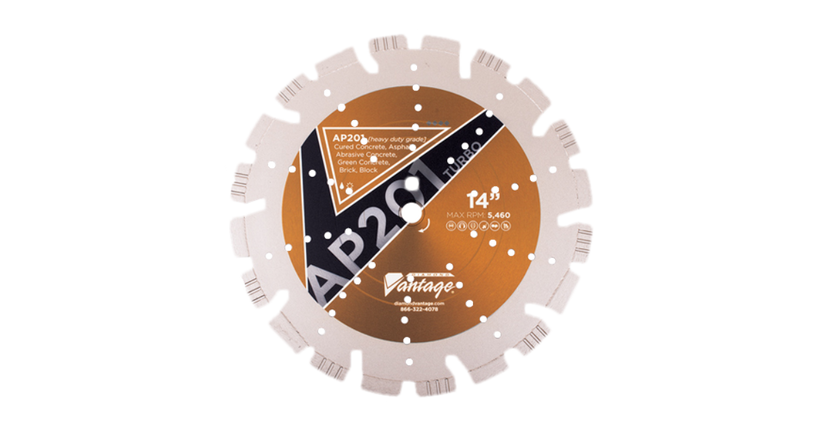
These are diamond masonry blades designed to cut through:
-
Concrete
-
Brick
-
Block
-
Asphalt
The right type delivers:
-
Durability under heavy-duty use
-
Consistent cutting performance
-
Compatibility across different saw types
What This Guide Covers
This guide breaks it down clearly:
-
Top masonry blade types available through Tait Sales & Consulting
-
What makes each type suitable for heavy-duty work
-
How to choose the right blade for your specific job

How to Evaluate Masonry Saw Blade Before Choosing
Before picking a type, it helps to understand what actually matters in real job conditions.
1. Material Compatibility
Not all materials behave the same during cutting.
You might be working with:
-
Cured concrete
-
Green concrete
-
Brick and block
-
Asphalt
Each one affects blade wear differently.
Blades available through Tait Sales & Consulting are designed to handle multiple material types, which reduces the need to switch blades constantly.
2. Blade Construction (Diamond Technology)
This is where quality shows up.
Diamond masonry blades are designed for efficient cutting across hard materials.
Segmented and turbo blades are used for different cutting needs depending on the application.
Diamond construction provides:
-
Faster cutting speed
-
Longer blade life
-
Better overall efficiency
3. Application Type
The blade has to match the machine.
Common setups include:
-
Hand-held saws
-
Walk-behind saws
-
Masonry saws
Using the wrong blade for the wrong machine reduces performance and increases wear.
4. Job Intensity
Not every job is the same.
-
Light-duty work: occasional cuts, smaller volume
-
Heavy-duty work: continuous cutting, high demand
Heavy-duty projects require:
-
Reinforced blade cores
-
Higher diamond concentration
-
Consistent performance under load
5. Cutting Speed vs Longevity
There’s always a balance.
-
Faster cutting blades: Softer bond, wear faster
-
Longer-lasting blades: Harder bond, cut slower
The best blade type strikes a balance between speed and lifespan—especially for demanding jobs.
Core Function: What Masonry Saw Blades Do
Category Purpose
Masonry saw blades are designed to:
-
Cut through dense construction materials
-
Maintain consistent speed and precision
-
Reduce effort during cutting
How They Work
Unlike standard blades, these don’t “slice” through material.
-
Embedded diamonds grind through the surface
-
Segments or rims determine how the cut behaves
-
The bond controls how quickly new diamonds are exposed
Diamond masonry blades are designed to cut through hard materials using abrasive segments
Key Advantage
One high-quality masonry blade can handle multiple materials while maintaining efficiency across long cutting cycles.
Best Masonry Saw Blade Types at Tait Sales & Consulting
Different jobs require different blade types. This is where choosing the right category matters.
1. Turbo Blades
-
Faster cutting speed
-
Smoother finish
Best used when surface quality matters, along with speed.
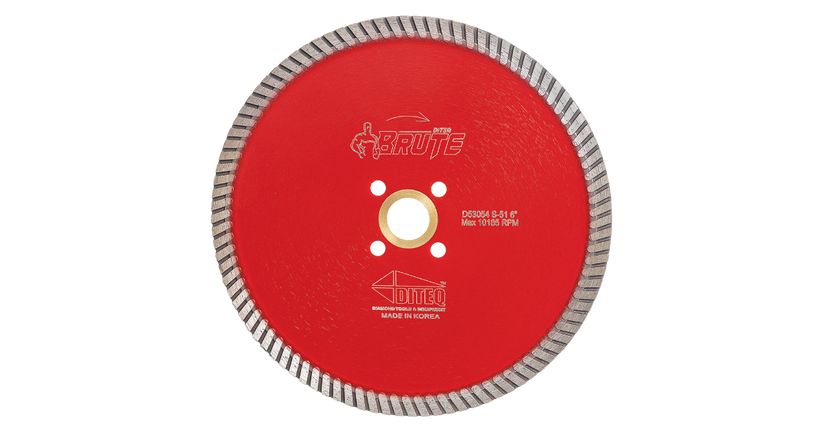
Check out the best Turbo Blades now.
Image URL- https://taitsales.com/products/diteq-brute-quartzite-turbo-blade6-s-51
2. Segmented Blades
-
Better airflow and cooling
-
Designed for aggressive, heavy-duty cutting
These are commonly used for concrete and demanding applications.
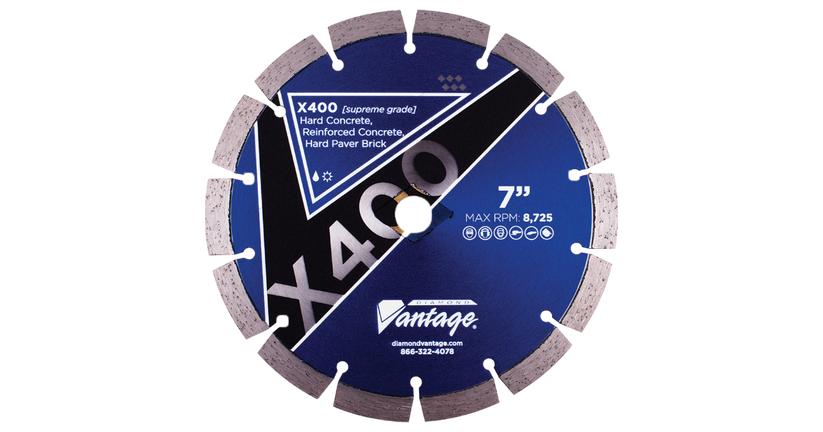
Shop Segmented Blades now.
3. General Purpose Blades
-
Multi-material compatibility
-
Suitable for mixed job conditions
A practical choice when switching between materials.
Get General Purpose Blades now.
4. Cured Concrete Blades
-
Built specifically for hardened concrete
-
Designed to maintain performance without excessive wear
5. Asphalt & Green Concrete Blades
-
Softer bond for abrasive materials
-
Prevents rapid segment wear
Tait Sales & Consulting offers a wide range of masonry saw blade types designed for specific materials and cutting applications, helping contractors choose the right blade for each job.
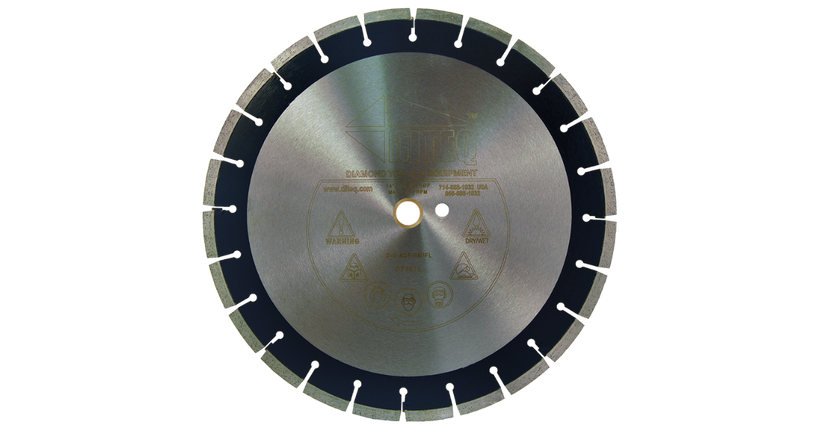
Shop Asphalt & Green Concrete Blade now.
Expert Tips for Choosing the Right Type
When selecting a blade, consider factors like material type, application, and equipment compatibility.
1. Match it to Job Type
Different types are built with different priorities.
Tait Sales & Consulting carries blade types from trusted brands such as DITEQ, ZENESIS, Diamond Vantage, Ocean Diamond, and Diamax, giving contractors options for a wide range of masonry cutting applications.
Choosing the right blade type depends on the material you're cutting, your equipment, and how demanding the job is.
2. Choose the Right Blade Type
Segmented and turbo blades are commonly used for different cutting needs.
Match the blade type to the result you need.
3. Ensure Machine Compatibility
Always match the blade to your equipment.
-
Handheld saw vs walk-behind saw
-
RPM compatibility
This avoids unnecessary strain on both blade and machine.
4. Prioritize Quality Over Cost
Cheap blades cost more in the long run.
-
Faster wear
-
More replacements
-
Increased downtime
Premium blades last longer and maintain performance, which reduces overall cost.
Best Practices for Heavy-Duty Masonry Cutting
Even the best blade needs proper handling.
Here’s what works consistently on-site:
-
Use the correct RPM and feed rate
-
Avoid forcing the blade through the material
-
Use wet cutting when possible
-
Allow the blade to cool between cuts
These simple steps extend blade life and improve cutting results.
Maintenance & Longevity Tips
Blades don’t last forever—but proper care makes a difference.
After Each Use
-
Clean off dust and debris.
Regular Checks
-
Inspect segments for wear
-
Look for uneven cutting patterns
Storage
-
Keep blades in dry conditions
-
Avoid exposure to moisture
Replacing worn blades at the right time prevents poor performance and unsafe cutting.
Conclusion: Choosing the Best Masonry Blade Type
At the end of the day, the type you choose directly impacts how your job runs.
The best masonry saw blades:
-
Use advanced diamond technology
-
Offer application-specific options
-
Are designed for different materials and applications
Choosing the right blade can help improve cutting efficiency and consistency.
And that’s what separates efficient crews from struggling ones.
If you’re working on heavy-duty construction projects, explore professional-grade masonry saw blades on sale at Tait Sales & Consulting, LLC, and choose the right blade for your material and workload.
FAQ's
Segmented blades are commonly preferred for heavy-duty concrete cutting because they provide excellent cooling and durability. Trusted brands such as DITEQ, Diamond Vantage, ZENESIS, Ocean Diamond, and Diamax offer segmented blades for demanding applications.
Segmented blades are commonly used for heavy-duty concrete cutting.
Yes, general-purpose blades are designed for multi-material use, though performance varies depending on the material being cut.
Turbo and segmented blades are designed for different cutting requirements. Turbo blades typically provide smoother cuts, while segmented blades offer faster cutting and better cooling for heavy-duty applications.
Blade lifespan depends on the material being cut, frequency of use, operating conditions, and proper maintenance. High-quality masonry blades typically last significantly longer when used correctly.
Robert Tait
Robert Tait is a senior sales and operations leader with over 30 years of experience in manufacturing and distribution. Based in Overland Park, Kansas, he is the President of Tait Sales & Consulting LLC (TSC), a family-owned and operated venture he founded in 2019. TSC was founded to provide diamond tooling, material handling, and all related consumables to the natural stone industry. The industries have now expanded to include, construction, glass, tile, masonry, hardscape and concrete industries.