

Router Bit for Granite Countertops: Features to Look for Before Buying
|
Summary: Picking the correct router bit is essential if you want neat, steady granite countertop edges. This guide walks you through the main things to look for, like diamond segment quality, the style of the edge profile, how well it matches your machine compatibility, and whether you’ll be running it with wet or dry operation. |
In countertop fabrication, edge quality isn't just about appearance.
It's about efficiency, consistency, and avoiding costly rework.
Whether you're producing a simple eased edge or a detailed ogee profile, every pass along the stone affects the finished result. And when you're working with granite, there's very little room for error.
Granite is one of the toughest materials found in fabrication shops.
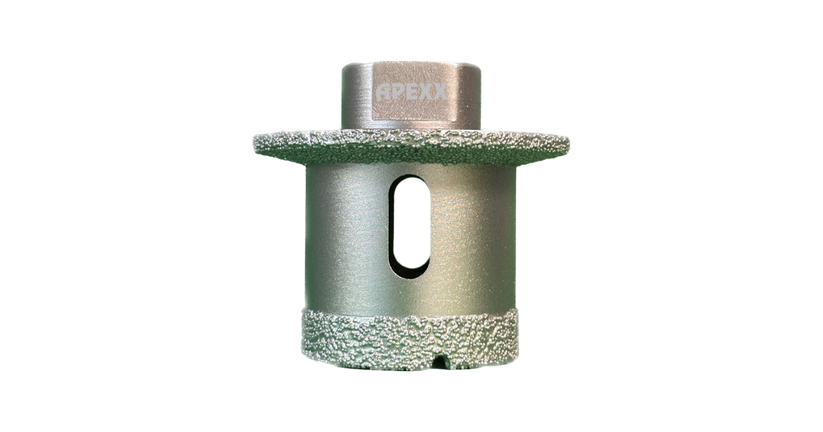
Its density and abrasive nature can quickly expose weaknesses in tooling. A router bit that performs well on softer materials may struggle to maintain cutting performance once it meets granite.
That's where many shops run into the same problems.
-
Premature tool wear
-
Chipped edges
-
Inconsistent profiles
-
Extra polishing work that eats into production time
A small issue during routing can quickly become a larger issue later in the fabrication process.
Diamond router bits at Tait Sales are specially designed for contouring natural stone, for example, granite and marble, plus quartzite. They are designed to deliver the durability, precision, and consistency required in professional stone fabrication environments.
In this article, we’ll dig into how granite router bits operate, which features matter most before you buy, and how to choose an option that fits your actual fabrication needs.
Understanding Granite Routing Requirements Before Choosing a Bit
Fabrication requirements vary significantly between shops and applications. Before selecting a router bit, it’s important to get a handle on what your materials want, what your equipment can do, and how your production process is actually running.
Material Hardness
Granite is extremely hard and abrasive.
Because of this, diamond tooling is essential for granite fabrication. Regular carbide tooling usually wears out quickly once it’s exposed to granite’s mineral composition, and then you’re stuck dealing with slower work and dull cutting.
Diamond router bits offer superior durability and maintain cutting performance over a longer service life. In the end, you get cleaner edges, fewer tool changes, and results that stay more consistent across the whole production run.
Edge Profile Requirements
Different countertop designs call for different edge styles. Some common ones look like this: bullnose for a fully rounded appearance, bevel for a modern angled look, eased edges with that subtle rounding, and ogee plus other decorative profiles for more detailed detailing.
The key point is that each edge profile needs a particular bit shape, not just any similar one will do. Picking the wrong profile bit can lead to extra fabrication steps, unnecessary redo work, or an edge that just doesn’t match the design specs you agreed on.
Fabrication Stage
Not every router bit is meant for the same job. Some bits are built for aggressive material removal during rough shaping. Others are intended for refining the profile or prepping the edge before polishing starts.
Many fabrication shops use multiple router bits throughout the routing process to achieve the desired edge profile and finish quality.
When you match the bit to the stage, you usually get better efficiency.
Machine Compatibility
Now here's something that often gets overlooked.
Even the best router bit won't perform properly if it doesn't match your equipment.
Depending on your operation, you may be using:
-
Handheld routers
-
CNC machines
-
Angle grinders equipped with routing attachments
Before purchasing, always verify arbor size, mounting style, and machine compatibility.
Wet vs. Dry Operation
Cooling plays a major role in router bit performance.
Wet routing helps reduce heat buildup, extends tool life, and improves cutting consistency. It's often preferred in production environments where routing is performed continuously.
Dry routing offers greater convenience for installers and field crews working on job sites where water access may be limited.
Many professional stone router bits support both wet and dry applications, providing greater flexibility across different working environments.
What Does a Granite Router Bit Actually Do?
At its core, a granite router bit is designed to shape and refine stone edges.
During fabrication, router bits are commonly used to:
-
Shape countertop profiles
-
Remove excess material
-
Refine edge geometry
-
Prepare surfaces for polishing
The process itself is relatively straightforward.
Diamond particles embedded within the bit gradually grind away the stone. Guide bearings help maintain consistent contact with the edge, while multiple passes create a smooth and repeatable profile.
The result is an edge that looks uniform across the entire countertop.
That's the real advantage of professional stone router bits. They combine precision, durability, and consistency into a single tool.
Key Features to Look for in Granite Router Bits
Not all router bits are built the same. Understanding a few critical features can make a significant difference in both performance and longevity.
Diamond Segment Quality
The quality of the diamond segment directly affects cutting speed, finish quality, and tool lifespan.
High-quality diamond segments typically:
-
Cut faster
-
Maintain sharpness longer
-
Produce cleaner edges
-
Reduce chipping
Since granite places significant stress on tooling, diamond quality should be one of the first things evaluated before purchasing.
At Tait Sales, diamond router bits are designed specifically for demanding stone fabrication applications where durability and consistent performance are essential.
Segmented vs. Continuous Rim Design
Different routing tasks require different cutting styles.
Segmented Router Bits
Segmented designs provide more aggressive cutting action.
They're often used when substantial material removal is required, and production speed is a priority.
These bits excel during rough shaping operations where efficiency matters most.
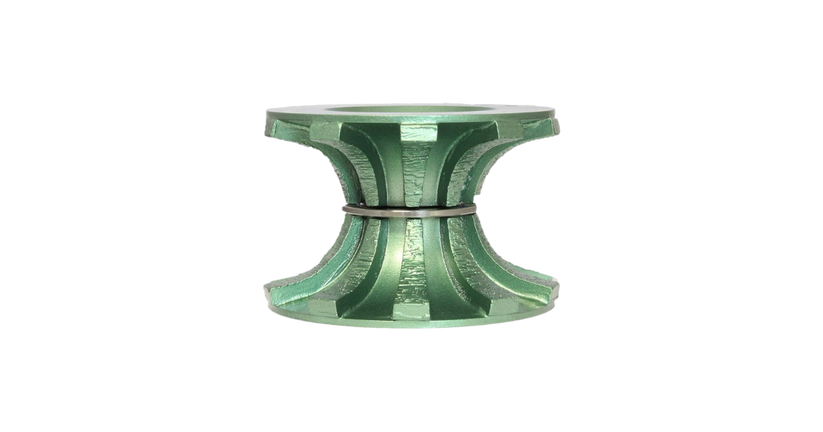
Shop APEXX Shape V Segmented Router Bits
Continuous Rim Router Bits
Continuous rim designs focus on finish quality.
They produce smoother edges and are often used during later stages of fabrication before final polishing.
Many shops use segmented bits for rough work and continuous rim bits for refinement.
Edge Profile Selection
The profile shape determines the final appearance of the countertop.
Common options include:
Bullnose
Creates a fully rounded edge that remains popular in both residential and commercial applications.
Shop APEXX Shape V Bullnose Brass-Core Router Bits
Bevel
Provides a clean, angled appearance that complements contemporary designs.
A APEXX Shape E 45-degree Bevel Router Bits can help achieve precise angled edges commonly specified in modern countertop projects.
Eased Edge
Offers a subtle, softened corner while maintaining a clean profile.
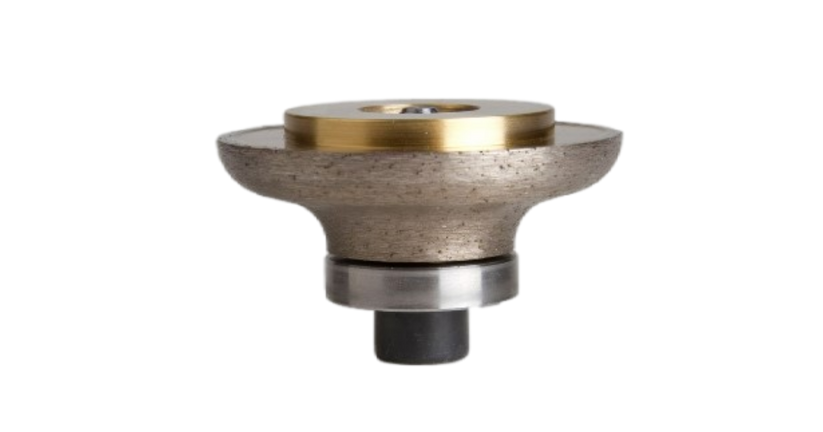
Shop APEXX Shape A Eased Edge Brass-Core Router Bits
Ogee and Decorative Profiles
Used when a more detailed architectural appearance is desired.
Choosing the correct profile from the start helps reduce fabrication time and ensures the finished countertop matches project specifications.
Shop APEXX Shape F Ogee Brass-Core Router Bits
Bearing System and Stability
A quality bearing system helps guide the router bit consistently along the stone edge.
This may seem like a small feature, but it plays a major role in maintaining accuracy.
Stable bearings help:
-
Maintain profile consistency
-
Improve operator control
-
Reduce edge variations
-
Produce repeatable results
Arbor Size and Machine Compatibility
Proper fitment is essential.
Before purchasing, verify:
-
Arbor size
-
Thread type
-
Recommended RPM range
-
Machine compatibility
A properly matched bit performs better and reduces unnecessary wear.
Wet and Dry Capability
Some fabrication shops operate primarily with wet routing systems, while others require dry-use flexibility.
Router bits designed for both wet and dry applications offer greater versatility.
Wet cutting provides:
-
Better cooling
-
Extended tool life
-
Reduced heat buildup
Dry cutting provides:
-
Greater mobility
-
Jobsite convenience
-
Faster setup
Choosing a bit that aligns with your workflow can improve overall productivity.
Diamond Construction and Bond Type
The construction method impacts both performance and durability.
Common options include:
-
Sintered diamond
-
Brazed diamond
-
Resin-bonded systems
Diamond-based construction provides the abrasion resistance necessary for granite fabrication and helps maintain consistent cutting performance over time.
Multi-Step Routing Systems
In many fabrication environments, achieving a smooth finish requires multiple stages.
A typical progression may include:
-
Coarse shaping
-
Medium refinement
-
Fine finishing
This step-by-step approach improves edge quality and prepares the surface for polishing.
The smoother the edge before polishing begins, the better the final appearance.
Expert Tips for Choosing the Right Router Bit
Choosing the right router bit doesn't have to be complicated.
A few simple guidelines can help narrow the options.
-
Match the bit profile to the countertop design requirements.
-
Choose diamond tooling over carbide whenever granite is involved.
-
Consider the fabrication stage. Aggressive segmented bits work well for rough shaping, while continuous rim designs are often better for finishing work.
-
Verify machine compatibility before purchasing.
-
Think about how your team works.
If most fabrication occurs inside the shop, wet-use tooling may be the better choice. If installation crews frequently perform modifications on-site, dry-use flexibility becomes more valuable.
Maintenance Tips for Longer Tool Life
Even high-quality router bits require routine care.
A few simple habits can significantly extend service life.
Clean After Every Use
Stone dust and slurry can accumulate quickly. Cleaning the bit after each use helps maintain cutting performance.
Inspect Diamond Segments Regularly
Look for excessive wear, uneven segment loss, or visible damage.
Replacing a worn bit before performance declines helps maintain consistent results.
Avoid Excessive Heat
Heat is one of the biggest contributors to premature wear.
When operating dry, allow adequate cooling periods and avoid excessive pressure.
Store Properly
Keep router bits organized and protected from impacts during storage and transport.
Proper handling helps preserve both the cutting surface and the bearing system.
Choosing the Right Router Bit for Granite Countertops
Router bits are but one element of the fabrication equation, but they play a crucial role in edge quality, productivity, and overall consistency in fabrication. High-quality granite router bits have features such as diamond construction for durability, precision profile accuracy, machine compatibility, and long service life.
If you match them correctly to your workflow, you have cleaner edges, much less chipping, better consistency, and a shorter fabrication lead time. The skills may be set whether dialing in a simple eased edge, or building decorative countertop profiles, but when it comes time to deliver what the customer is looking for, often that perfect finished look is earned from solid stone router bits.
When it comes to router bits for sale, if you are looking for tooling specifically engineered and manufactured for granite, marble, quartzite, and other natural stone work surfaces, Tait Sales & Consulting, LLC provides professional-grade stone router bits built for high-output fabrication environments with an emphasis on precision and durability.
FAQ's
In most cases, diamond router bits are generally considered the preferred option. They’re usually the go-to choice for granite countertop work because they provide the durability and abrasion resistance required for granite fabrication.
Segmented bits tend to be made for faster, more aggressive stock removal, as they bite harder. Meanwhile, continuous rim bits are aimed more at calmer cutting action, smoother results, and a more polished edge profile that looks refined instead of rough.
Yes. Many stone router bits can handle dry operation. Still, wet routing often keeps things cooler and can extend tool life, especially if you’re doing longer fabrication sessions or lots of passes.
It mostly depends on what the project is asking for and how the finished edge should look and perform. Typical options include bullnose, bevel, eased, and decorative ogee styles.
That depends on a few things, like how hard the stone is, how often you’re using the bit, what your cutting conditions look like, and how well you keep up with maintenance. Generally, higher quality diamond router bits deliver noticeably longer service life compared to standard carbide alternatives, even when the work is tough.
Robert Tait
Robert Tait is a senior sales and operations leader with over 30 years of experience in manufacturing and distribution. Based in Overland Park, Kansas, he is the President of Tait Sales & Consulting LLC (TSC), a family-owned and operated venture he founded in 2019. TSC was founded to provide diamond tooling, material handling, and all related consumables to the natural stone industry. The industries have now expanded to include, construction, glass, tile, masonry, hardscape and concrete industries.