

A Complete Guide to Tile Diamond Tools for Cutting, Grinding, and Polishing
|
Summary: Tile Diamond Tools are essential for achieving clean cuts, smooth edges, and polished finishes across porcelain, ceramic, marble, granite, and engineered stone. This guide explains how diamond tools work, compares cutting, grinding, and polishing options, and shares best practices for improving efficiency, extending tool life, and delivering professional-quality tile installations. |
Modern tile installation needs more than just good materials. It needs the right tools. Whether you’re cutting porcelain, ceramic, marble, granite, or engineered stone, you have to stay precise. Otherwise, you end up with ugly results. Usual cutting tools often can’t keep up with these tougher tile materials, so you may see chipped edges, uneven cuts, way more dust than expected, and even extra waste of perfectly good tile.
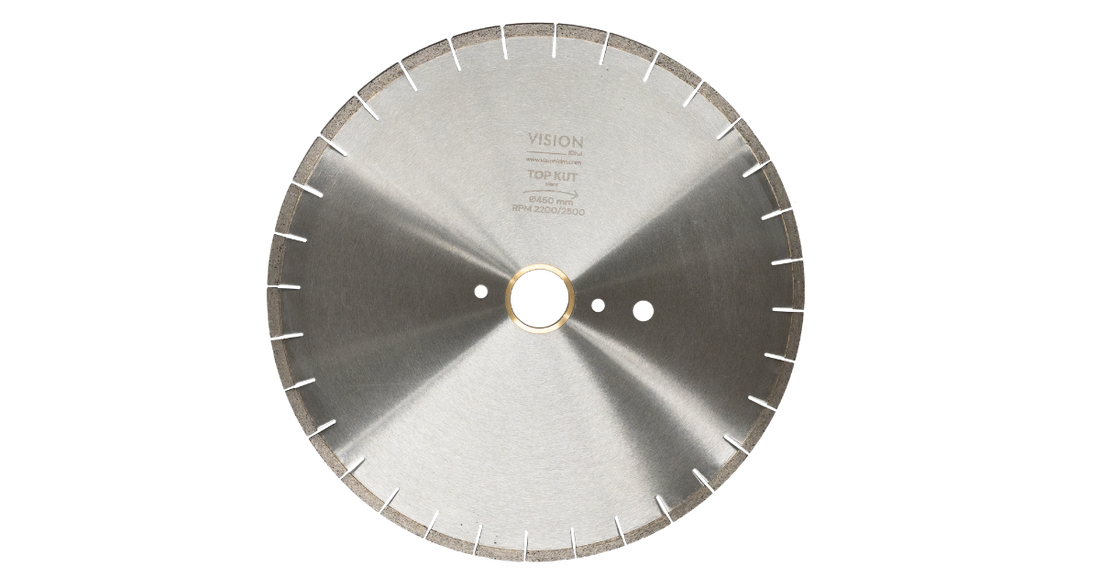
That’s where Tile Diamond Tools come in. They’re made with industrial-grade diamond abrasives, so you get cleaner cuts, smoother grinding, and nicer polished finishes, plus they can help your workflow and limit expensive goofs.
In this guide, we’ll look at how tile diamond tools work, the main types you can get, and how to pick the right cutting, grinding, and polishing tools for your next tile job.
What Are Tile Diamond Tools and How Do They Work?
Tile Diamond Tools are designed to cut, grind, shape, and polish hard materials such as porcelain, ceramic, granite, marble, quartzite, and engineered stone. Instead of steel teeth, they use industrial diamonds embedded in a metal or resin bond to deliver fast, precise cutting with reduced chipping.
Their performance depends on two key factors:
-
Diamond grit: Coarse grits remove material quickly, while finer grits create smoother surfaces and polished finishes.
-
Bond composition: The bond controls how aggressively the tool cuts and how long it lasts.
Using the correct grit progression helps fabricators move efficiently from material removal to a refined finish.
How Diamond Abrasives Cut and Grind
Diamond abrasives remove material through thousands of microscopic cutting points, creating cleaner cuts and smoother edges than conventional tools. To maintain performance and extend tool life, heat must be properly managed.
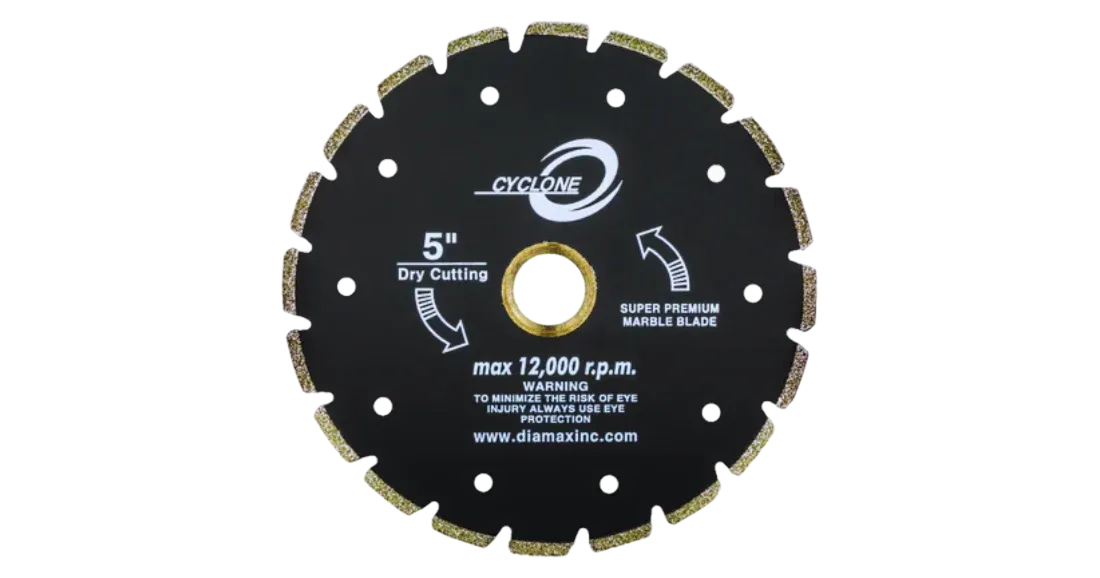
Wet cutting is ideal for reducing heat, suppressing silica dust, extending blade life, and producing cleaner edges. Dry cutting offers greater portability but requires proper cooling intervals to prevent overheating.
For polishing, always work from coarse to fine grits. Each stage removes the scratches left by the previous grit, resulting in a smooth, professional finish.
Types of Tile Diamond Tools
Different tile projects require different tools. While some jobs demand fast, accurate cuts, others require edge shaping or polished finishes. Choosing the right Tile Diamond Tools depends on the material and the desired result.
Diamond Cutting Blades
Diamond cutting blades do the job quickly and cleanly, giving accurate cuts through porcelain, ceramic, marble, granite, quartzite, and engineered stone, across the whole lineup.
Main Types
-
Continuous rim blades: Best for smooth, chip-reduced cuts on porcelain and ceramic.
-
Turbo rim blades: Faster cutting with cooling slots, suitable for harder materials.
-
Segmented blades: Used for aggressive cutting in dense natural stone.
Some of the most popular options available through Tait Sales & Consulting include:
-
Zenesis Porcelain Tile Blade for clean, precise cuts on porcelain and ceramic tile.
-
Diteq Raised Hub Turbo Blade S-32 for fast cutting with improved cooling and reduced vibration.
-
Alpha Q-Cut Stone & Porcelain Turbo Blade for demanding materials such as quartzite, hard granite, and engineered stone.
When you pick a blade, double-check the blade diameter, the arbor size, the maximum RPM, and also whether it is meant for wet operation or dry operation. Using the right style not only improves cut quality, but it also stretches the tool’s lifespan in a practical way.

Shop Zenesis Porcelain Tile Blade, Diteq Raised Hub Turbo Blade S-32 & Alpha Q-Cut Stone & Porcelain Paver Tile Turbo Blade
Diamond Grinding and Profile Wheels
After cutting, grinding wheels are used to remove rough edges, correct minor chips, and shape material for finishing.
Profile wheels take this further by creating finished edge profiles such as:
-
Bullnose edges
-
Bevel edges
-
Rounded decorative finishes for countertops, stairs, and trim work
For example, the Diamond Vantage Tile Profile Wheel delivers consistent shaping across porcelain, ceramic, marble, granite, and natural stone while reducing edge chipping.

Buy Diamond Vantage Tile Profile Wheel now
Diamond Polishing Pads
Polishing pads refine the surface through grit progression, removing scratches step by step to create a smooth finish.
-
Wet polishing: cooler, cleaner finish, longer pad life
-
Dry polishing: more portable but higher heat and wear
Following proper grit order is essential for a clean polished result.
The Zenesis 3-Step Supreme Wet Polish Pad makes the usual polishing routine easier, because it trims several polishing stages and still ends up with a really solid high-quality finish. And for natural stone use, the Diamond Vantage 7-Step Hexagon Dry Polishing Pad gives you a full grit progression so you get consistent results even when you polish dry.
So whether you're working on granite, marble, or engineered stone, shifting from coarse to fine grits is the most dependable route, and it also helps stretch the pad life a lot.
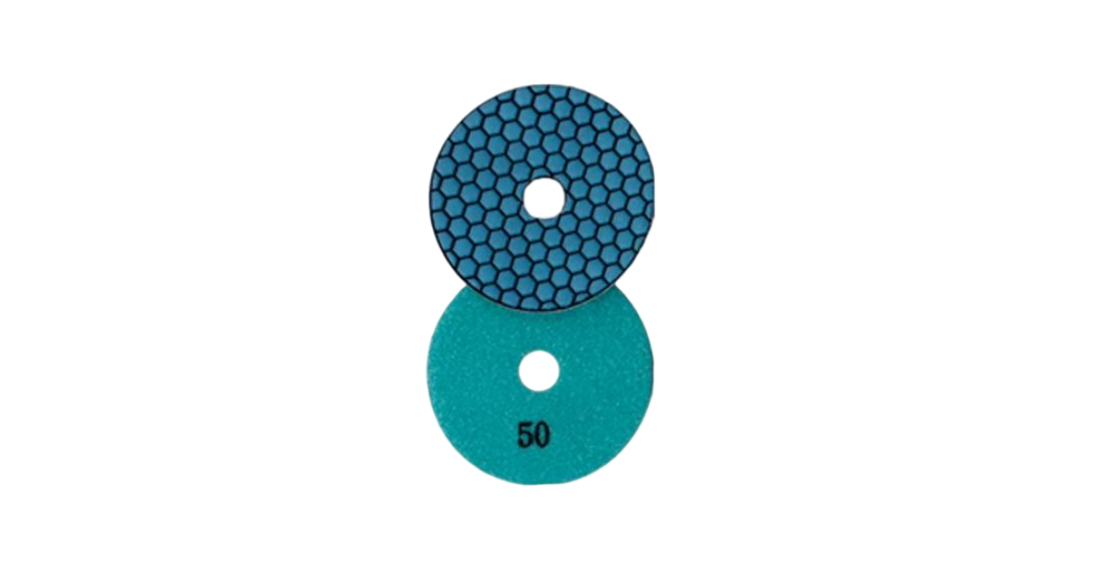
Shop Zenesis 4" Supreme Wet 3-Step Polish Pad & Diamond Vantage 7-Step Hexagon Dry Polishing Pad
Tile Diamond Tools in Action: Practical Applications
Tile diamond tools support nearly every stage of fabrication and installation, making them valuable for both small renovation projects and large commercial work.
They are commonly used for:
-
Straight cuts for flooring, backsplashes, and wall tile.
-
Sink openings, plumbing penetrations, and electrical cutouts.
-
Edge profiling for countertops, niches, and decorative trim.
-
Surface preparation before polishing or installation.
-
Final edge finishing before grouting.
Using the right tool at each stage reduces material waste, minimizes edge damage, and improves the overall quality of the finished installation.
Choosing the Right Tile Diamond Tool
Choosing the right Tile Diamond Tool depends on the material, application, and equipment. Matching the tool to the job improves cutting performance, finish quality, and tool life.
|
Factor |
Why It Matters |
|
Material Hardness |
Hard materials like porcelain and quartzite require premium diamond tools. |
|
Type of Cut |
Straight cuts, edge profiling, and polishing each require different tools. |
|
Equipment Compatibility |
Match the blade diameter, arbor size, and RPM to your saw or grinder. |
|
Wet or Dry Operation |
Wet tools reduce heat and dust, while dry tools offer greater portability. |
Selecting the proper tool helps deliver cleaner cuts, longer tool life, and more consistent results.
Safety and Best Practices
Safe operation helps protect both the installer and the equipment while delivering consistent results.
Protect Yourself
Always wear appropriate PPE when cutting, grinding, or polishing tile, including:
-
Safety glasses or face shield
-
Hearing protection
-
Dust mask or respirator for dry cutting
-
Cut-resistant gloves where appropriate
Whenever possible, use water to reduce silica dust and keep tools cool.
Maintain Your Diamond Tools
Routine maintenance improves performance.
-
Clean blades and polishing pads after use.
-
Inspect for wear or damage.
-
Replace worn components promptly.
-
Check arbor mounting surfaces before installation.
Prepare the Work Area
A stable setup improves both safety and cutting accuracy.
-
Support tiles evenly.
-
Secure large tiles when possible.
-
Keep the work area free of debris.
-
Ensure proper water flow for wet cutting.
Common Mistakes to Avoid
Most cutting and finishing issues can be avoided with proper tool selection and technique.
Using the Wrong Blade
Always match the blade to the material. Using a blade designed for ceramic on dense porcelain or quartzite can increase chipping and reduce cutting performance.
Skipping Grit Steps
Skipping polishing grits often leaves scratches that are difficult to remove. Always follow the recommended grit progression for a consistent finish.
Exceeding Maximum RPM
Never operate blades or polishing accessories above their rated RPM. Matching the tool to your equipment improves both safety and tool life.
Complete Every Tile Project with Confidence
Professional tile work starts with the right tools. Tile Diamond Tools help contractors achieve cleaner cuts, smoother edges, and more efficient workflows.
Choosing the right tool for each stage of cutting, grinding, and polishing reduces material waste, extends tool life, and delivers consistent results. Explore Tait Sales & Consulting, LLC collection of professional Tile Diamond Tools to find the right solution for your next fabrication or installation project.
FAQ's
Wet blades use water to reduce heat and dust, while dry blades offer greater portability but require cooling between cuts.
Replace diamond tools when cutting performance drops, visible wear appears, or they no longer produce clean results.
Many polishing pads work on both materials, but always check the manufacturer's recommendations for compatibility.
Start with coarse grits and gradually move to finer grits for a smooth, polished finish.
Yes. Most tile diamond tools are designed for angle grinders, tile saws, and other compatible cutting equipment. Always verify the blade size, arbor, and RPM rating.
Robert Tait
Robert Tait is a senior sales and operations leader with over 30 years of experience in manufacturing and distribution. Based in Overland Park, Kansas, he is the President of Tait Sales & Consulting LLC (TSC), a family-owned and operated venture he founded in 2019. TSC was founded to provide diamond tooling, material handling, and all related consumables to the natural stone industry. The industries have now expanded to include, construction, glass, tile, masonry, hardscape and concrete industries.