

Why Diamond Concrete Saw Blades Outperform Standard Blades
|
Summary: Diamond concrete saw blades cut materials at higher speeds, and they last longer while producing cleaner cuts, and they maintain lower temperatures when compared to normal abrasive saw blades. Diamond concrete saw blades cut faster, last longer, and produce cleaner cuts than standard abrasive blades. They improve jobsite efficiency, reduce downtime, and provide more consistent cutting performance across commercial and residential concrete applications. |
The Importance of Choosing the Right Blade for Concrete Cutting
Concrete cutting serves as an essential component of construction activities and renovation work, demolition efforts, and masonry projects. Blade performance determines cutting speed and finish quality, blade life, and overall efficiency on the job site when crews cut slab edges and control joints, trench openings, sidewalks, and structural walls.
Active job sites experience productivity loss and increased operating expenses because of differences in equipment performance.
The Cost of Standard Blades
Many contractors still use standard abrasive or bi-metal blades because they seem less expensive upfront. But concrete is extremely abrasive, especially when aggregate or reinforcement is involved, causing standard blades to lose performance fast.
That often leads to:
-
Slower cutting
-
Excessive heat buildup
-
Faster blade wear
-
Rougher cuts
-
More dust and downtime
Over time, those issues create more labor strain and jobsite interruptions.
Diamond blades are built for those conditions.
Engineered specifically for concrete cutting, they maintain performance longer, produce cleaner cuts, and handle demanding applications far more efficiently than standard blades.
What This Guide Explains
At TSC, contractors can find diamond concrete saw blades for wet and dry cutting, handheld and walk-behind saws, and heavy-duty masonry applications.
This guide explains how diamond blades work, where they outperform standard blades, and how to choose the right setup for your application.
Overview of Diamond Concrete Saw Blades on Taitsales
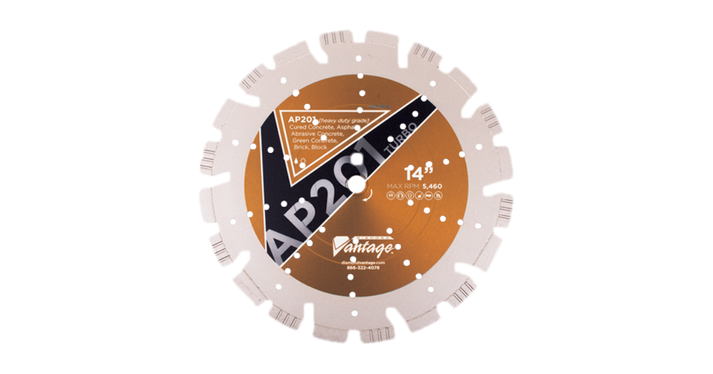
Diamond concrete blades available through Tait Sales & Consulting Concrete Saw Blades Collection are designed specifically for aggressive cutting in concrete, masonry, and stone applications.
These blades are built for:
-
High-speed cutting
-
Extended wear resistance
-
Cleaner edge quality
-
Reduced vibration
-
Improved cutting consistency
Depending on the job site setup and cutting environment, contractors typically choose between wet diamond blades and dry diamond blades.
1. Wet Diamond Concrete Blades
Wet Diamond Concrete Blades are designed for use with continuous water cooling systems.
Water plays a major role during cutting because it:
-
Reduces blade temperature
-
Extends segment life
-
Controls airborne dust
-
Helps remove slurry and debris
-
Improves overall cut consistency
These blades are commonly used with walk-behind saws, masonry saws, and larger slab cutting systems where continuous cutting performance matters.
On longer cuts, proper cooling becomes critical because excessive heat can reduce segment life and slow cutting efficiency.
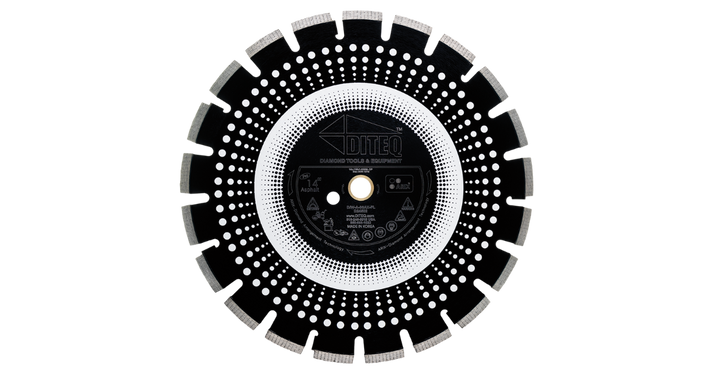
Explore available options here: Wet Diamond Concrete Blades
2. Dry Diamond Concrete Blades
Dry Diamond Concrete Blades are built for portable cutting applications where water access may be limited.
These blades are engineered with specialized segment spacing and airflow channels to improve debris removal during cutting.
That means:
-
Faster dust clearing
-
Reduced overheating
-
Better mobility on jobsites
-
Improved cutting efficiency during shorter cuts
Dry cutting applications should still use proper silica dust control and respiratory protection.
Dry blades are built for mobile cutting environments, quick repair work, overhead cutting, and outdoor applications where water access may be limited.
Specialized segment spacing helps improve airflow and debris removal during operation, allowing the blade to manage heat more effectively while maintaining cutting speed.
These blades are commonly paired with handheld saws, cut-off saws, and circular saw systems used across concrete and masonry work.
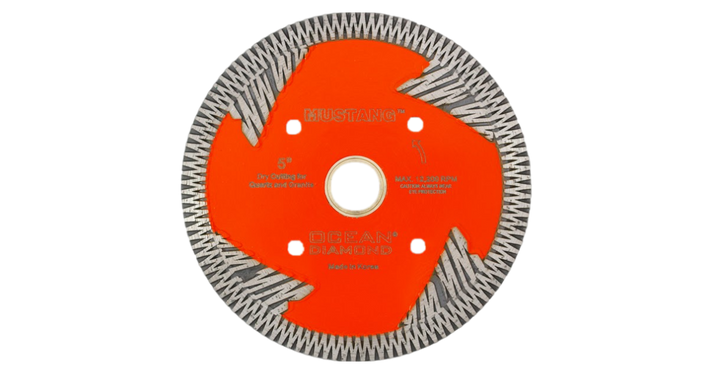
Explore dry blade options here: Dry Diamond Concrete Blades
How Diamond Blades Work vs Standard Blades
The biggest difference between Diamond Concrete Saw Blades and standard blades comes down to how they remove material.
Diamond Blade Construction
Diamond blades are built using:
-
A hardened steel core
-
Industrial-grade synthetic diamonds
-
Metal bond segments engineered for concrete cutting
As the blade cuts, exposed diamond particles efficiently grind through concrete and aggregate.
The design becomes especially important during extended cutting operations.
As the outer layer wears down, new diamond particles become exposed. This continuous renewal process helps the blade maintain cutting performance over a much longer lifespan.
The metal bond itself is also engineered differently depending on the application:
-
Harder bonds for softer materials
-
Softer bonds for dense or abrasive concrete
That balance helps maximize cutting speed while controlling blade wear.
Standard Blade Construction
Standard abrasive blades work very differently.
Most rely primarily on grinding friction instead of aggressive cutting action. As the abrasive material wears down, cutting performance drops quickly. Heat buildup increases, blade wear accelerates, and operators often need to apply more pressure just to maintain progress through the concrete.
This performance gap becomes especially noticeable during continuous cutting operations.
Diamond blades remove concrete more efficiently through exposed industrial diamond segments that maintain cutting performance longer than standard abrasive blades. The result is faster cutting, cleaner edges, reduced operator strain, and significantly longer blade life.
Why Diamonds Matter
Diamond blades remove material far more efficiently than standard abrasive blades through exposed industrial diamond segments.
That difference produces:
-
Faster material removal
-
Cleaner cuts
-
Reduced operator effort
-
Longer blade life
-
More consistent performance
For crews cutting concrete daily, that performance gap becomes very noticeable over time.
Key Performance Differences
1. Cutting Speed and Efficiency
One of the first things operators notice with diamond blades is cutting speed.
They remove concrete and aggregate much faster because the exposed diamonds actively cut through the material.
Benefits include:
-
Faster cut completion
-
Fewer cutting passes
-
Reduced saw strain
-
Lower operator fatigue
-
Improved production rates
Standard blades usually slow down significantly once heat builds up or the abrasive surface begins wearing away.
That slowdown affects workflow efficiency across the entire jobsite.
Diamond blades maintain a more consistent cutting speed under heavy use.
Result: Faster cuts mean less labor time and higher productivity.
2. Blade Life and Durability
Concrete is one of the most abrasive materials contractors work with. Blade durability matters.
Diamond blades are engineered specifically for high-wear applications. The embedded industrial diamonds provide far greater wear resistance compared to standard abrasive blades.
That means:
-
Longer usable blade life
-
Fewer replacements
-
Reduced downtime
-
More consistent cutting performance
Although diamond blades typically cost more upfront, they often complete significantly more cutting before replacement becomes necessary.
Standard blades may appear cheaper initially, but repeated replacements increase long-term operating costs quickly.
Impact: Diamond blades provide better long-term value across multiple projects.
3. Cut Quality and Surface Smoothness
Cut quality directly affects installation accuracy and finishing work.
Diamond concrete saw blades produce cleaner, straighter cuts with less edge chipping and reduced surface spalling. The blade stays more stable during operation, which improves overall cutting accuracy.
That becomes especially important when cutting:
-
Decorative concrete
-
Expansion joints
-
Structural openings
-
Utility channels
-
Finished slab sections
Standard abrasive blades often create rougher cut lines and additional surface damage because of inconsistent grinding pressure.
Outcome: Cleaner cuts reduce rework and improve overall project quality.
4. Heat and Dust Control
Heat buildup is one of the biggest causes of blade wear and cutting inefficiency.
Wet diamond blades help solve this problem through continuous water cooling.
Water helps:
-
Lower blade temperature
-
Reduce friction
-
Improve segment life
-
Minimize dust generation
-
Maintain smoother cutting performance
Dry diamond blades improve heat control through engineered segment spacing that allows better airflow and debris removal.
Standard blades generally create more friction, more heat, and more uncontrolled dust during operation. As cutting temperatures rise, blade performance usually drops even further.
Jobsite Impact: Better blade performance creates cleaner, safer, and more efficient cutting conditions.
Practical Jobsite Applications Where Diamond Blades Shine
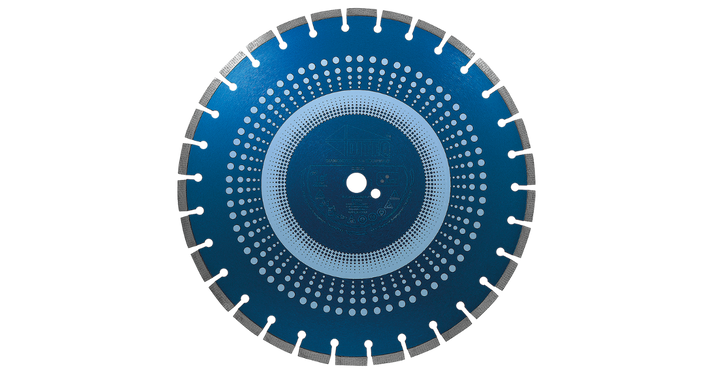
1. Cutting Control Joints and Grooves
Control joints require precision and consistency.
Diamond blades produce:
-
Clean joint lines
-
Uniform depth
-
Reduced edge cracking
-
Better structural performance
That helps minimize uncontrolled slab cracking over time.
2. Slab and Pavement Cutting
Large-format slab cutting demands both speed and stability.
Diamond blades help crews:
-
Cut through thick concrete faster
-
Reduce edge blowout
-
Maintain straighter cut paths
-
Improve overall workflow efficiency
These blades are widely used for:
-
Sidewalk cutting
-
Pavement removal
-
Commercial slab work
-
Demolition preparation
3. Opening Windows, Doors, and Utility Chases
Precision matters during opening cuts.
Diamond blades produce cleaner edges that reduce additional grinding or correction work during installation.
That helps speed up:
-
Framing
-
Utility routing
-
Finishing work
-
Structural modifications
4. Bridge Saws and Walk-Behind Saws
For continuous cutting operations, diamond blades deliver more consistent long-term performance.
Benefits include:
-
Reduced downtime
-
Longer blade life
-
Stable cutting performance
-
Better accuracy across long cuts
That reliability is especially valuable on larger commercial projects.
How to Choose the Right Diamond Concrete Saw Blade on Taitsales
Choosing the right blade starts with matching the blade to both the saw and the cutting conditions.
1. Blade Diameter & Arbor Size
The blade should always match the saw manufacturer’s diameter and arbor specifications. Incorrect sizing can reduce performance and create unsafe operating conditions during cutting.
2. Wet vs Dry Cutting
Wet blades are generally the better choice for extended cutting applications where cooling and dust reduction are priorities.
Dry blades work better for:
-
Fast mobile cutting
-
Outdoor repair work
-
Overhead applications
-
Jobsites without water-fed systems
3. Bond Hardness and Segment Type
Bond hardness affects how the blade wears during cutting.
Harder bonds typically perform better on softer concrete, while softer bonds expose diamonds faster for harder aggregate materials.
Matching bond type to the material helps improve blade efficiency and operating life.
4. Blade Quality & Segment Design
Higher-quality diamond blades usually provide:
-
More consistent diamond concentration
-
Better segment welding
-
Improved debris removal
-
More stable cutting performance
Best Practices for Using Diamond Concrete Saw Blades
1. Keep Water Flowing on Wet Blades
Consistent water flow helps reduce heat buildup and minimize thermal stress during long cuts. Proper cooling also improves segment life and helps maintain cutting speed throughout the project.
2. Use Correct RPM and Feed Rate
Let the blade do the cutting.
Forcing the saw aggressively through the material increases unnecessary heat and segment wear. Steady feed pressure usually produces cleaner cuts and better long-term blade performance.
3. Monitor Blade Wear
Blade inspection should be part of regular jobsite maintenance.
Worn segments, uneven wear patterns, or visible core damage can affect cut quality and create safety issues during operation.
4. Clean the Blade and Saw After Use
Concrete slurry and debris buildup can reduce equipment life over time.
Cleaning the blade and saw system after use helps maintain cutting performance while preventing unnecessary buildup around moving components.
Conclusion: Diamond Blades Deliver Better Results Than Standard Options
Construction work that involves the continuous operation of concrete cutting equipment creates high operational requirements for its machines. The actual project costs become higher because standard abrasive blades, which appear cheaper at first use, lead to more time lost through slower cutting rates and production of unneeded material, and the need for extra maintenance work.
Diamond blades provide a more efficient solution.
Compared with standard abrasive blades, diamond blades provide:
-
Faster cutting
-
Longer blade life
-
Cleaner, more accurate cuts
-
Better heat and dust control
The advantages enable crews to achieve better work efficiency through reduced labor requirements and lower costs for tools, which results in better work quality at construction sites.
Your crew needs to replace their current concrete cutting setup because they use standard abrasive blades for their projects.
Browse available options at: Concrete Saw Blades at Tait Sales & Consulting, LLC
FAQ's
Yes. Diamond concrete saw blades are designed to cut reinforced concrete, including sections containing steel reinforcement and rebar. Choosing the correct blade based on material density and saw type helps ensure optimal cutting performance and blade life.
Wet blades are best for long-duration cutting applications where cooling efficiency and dust control are priorities. Dry blades are more suitable for portable cutting situations where water is not available.
Common signs that a diamond blade should be replaced include:
- Slower cutting speed
- Excessive vibration
- Uneven wear
- Segment damage
- Poor cut quality
Replacing worn blades promptly helps maintain both safety and cutting efficiency.
Yes. Although diamond blades typically require a higher initial investment, they often provide better long-term value through longer service life, faster cutting performance, and reduced replacement frequency.
Operators should always wear the following safety equipment:
- Safety glasses or face shields
- Hearing protection
- Gloves
- Dust masks or respirators
- Protective footwear
For wet cutting applications, proper water management and slip-prevention measures should also be implemented.
Robert Tait
Robert Tait is a senior sales and operations leader with over 30 years of experience in manufacturing and distribution. Based in Overland Park, Kansas, he is the President of Tait Sales & Consulting LLC (TSC), a family-owned and operated venture he founded in 2019. TSC was founded to provide diamond tooling, material handling, and all related consumables to the natural stone industry. The industries have now expanded to include, construction, glass, tile, masonry, hardscape and concrete industries.