

Can Diamond Cutting Blades Improve Speed and Accuracy in Glass Fabrication?
|
Summary: Diamond cutting blades improve glass fabrication by increasing cutting speed, consistency, and precision. They reduce chipping, rework, and blade changes while delivering cleaner edges and controlled cuts. With proper use, they enhance workflow stability, minimize breakage, and ensure better edge quality across various glass types and cutting processes. |
Glass fabrication isn’t just about shaping material. It’s about control.
You’re dealing with tight tolerances, visible finishes, and a material that doesn’t forgive mistakes. One bad cut, one unstable blade pass, one slip in pressure—and the result shows immediately.
In most shops, the same pressure points keep coming up:
-
Cuts are taking longer than expected
-
Edges needing extra finishing
-
Chips forming along visible lines
-
Breakage during cutting or handling
-
Time lost to rework and corrections
Traditional abrasive blades can handle basic jobs. But as glass types evolve—laminated panels, coated surfaces, thicker builds—they start to struggle. Cuts get inconsistent. Heat builds faster. Blade wear becomes unpredictable.
The issue isn’t just speed. It’s the lack of consistency.
The shift toward diamond cutting blades isn’t about adding complexity. It’s about removing variables that slow everything down.
What Are Diamond Cutting Blades for Glass?
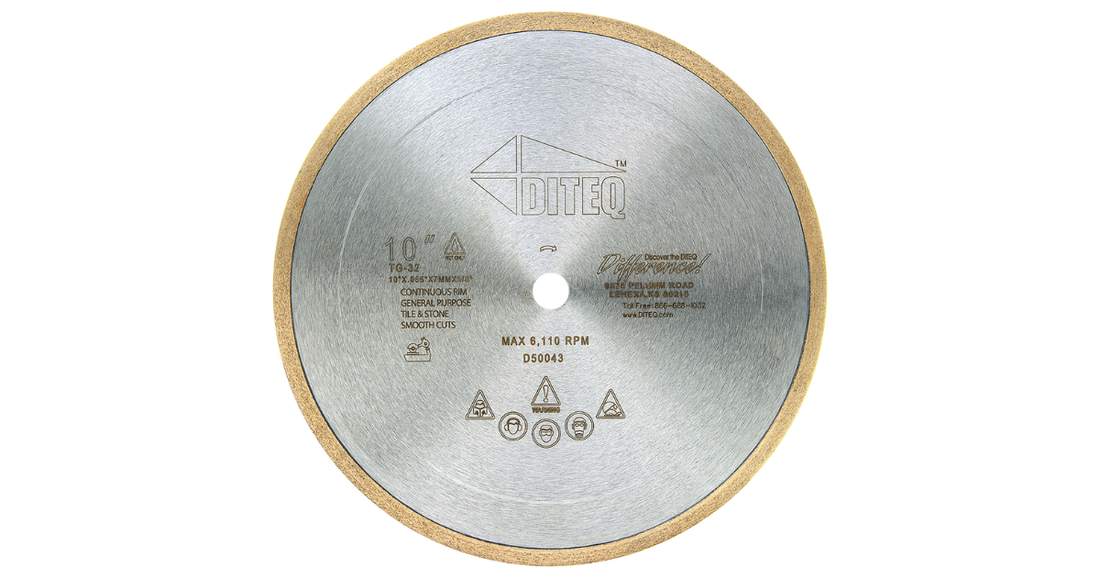
At a basic level, diamond cutting blades use industrial-grade diamond abrasives designed for controlled glass cutting, enabling low-resistance performance. But what matters isn’t just the material—it’s how that material behaves under load.
Diamonds don’t wear the same way conventional abrasives do. They hold their cutting edge longer and stay consistent across repeated use.
That consistency is what changes outcomes on the floor.
In glass fabrication, diamond cutting blades are the primary tool used to deliver straight, clean, and controlled cuts across different glass types.
Why diamonds work in this setting:
-
They maintain sharpness over longer cycles
-
They reduce friction when used correctly
-
They cut without requiring excessive force
That last point matters. Glass doesn’t respond well to force—it responds to controlled contact.
How Diamond Cutting Blades Improve Fabrication Speed
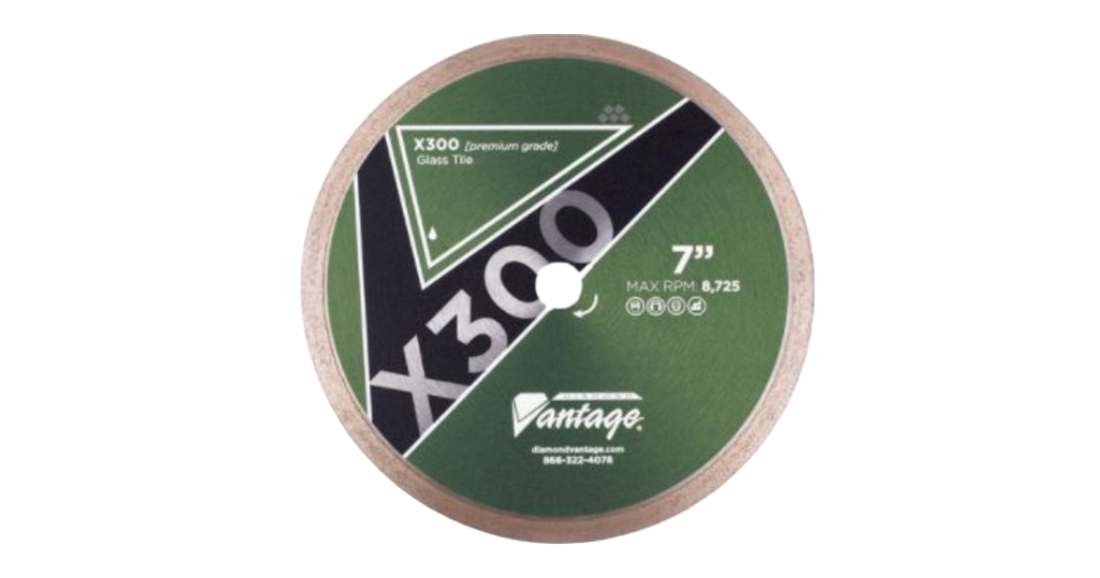
Speed in fabrication isn’t about rushing. It’s about eliminating slowdowns.
1. Faster Material Removal
Diamond abrasives engage the surface more efficiently. Instead of grinding away slowly, they cut through with less resistance.
In practical terms:
-
Cuts are complete in fewer passes
-
Less time is spent correcting chipped or uneven edges after cutting
You’re not pushing the blade to go faster. It simply doesn’t slow you down.
2. Reduced Blade Changes
Frequent blade replacement breaks the workflow. It adds downtime, interrupts operators, and introduces inconsistency.
Blades last longer under the same conditions.
That leads to:
-
Fewer stoppages
-
Longer continuous runs
-
More predictable performance across jobs
The process stays steady instead of constantly resetting.
3. Lower Rework Rates
Speed isn’t real if parts need to be redone.
Cleaner cuts reduce:
-
Edge chipping
-
Micro-cracks
-
Dimensional errors
When fewer pieces fail inspection, overall throughput improves without increasing machine load.
How Diamond Cutting Blades Improve Accuracy and Edge Quality
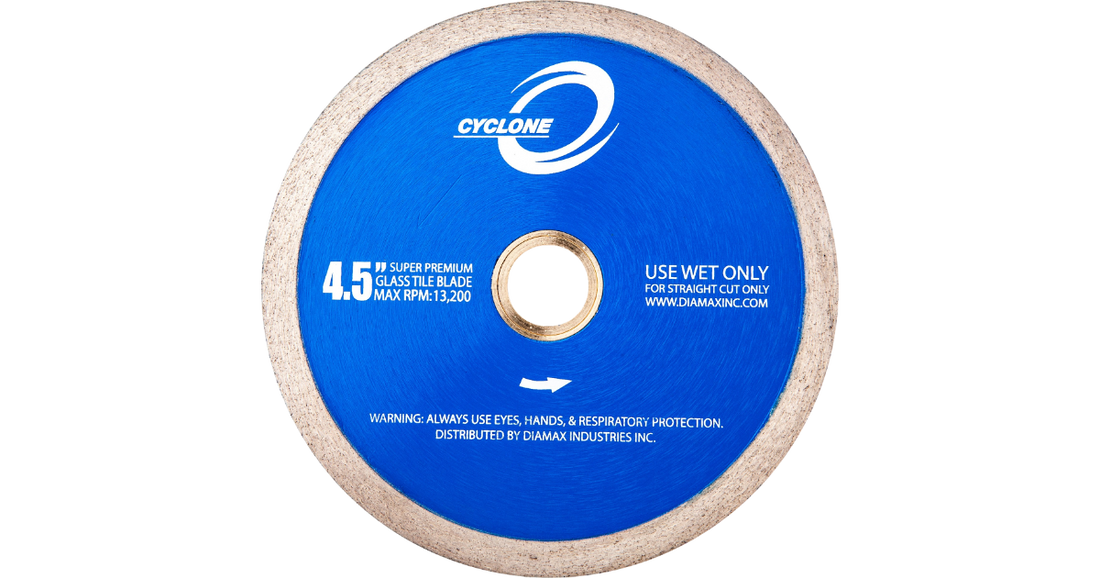
Accuracy in glass fabrication shows up immediately. There’s no hiding poor edges or inconsistent cuts.
1. Clean, Chip-Free Edges
Diamond cutting blades designed for glass minimize edge damage, especially on exposed surfaces.
What does that change:
-
Less secondary finishing
-
More consistent edge lines
-
Better visual quality on final installs
You’re not fixing edges after the fact—you’re getting them right the first time.
2. Consistent Cutting Performance
A high-quality diamond blade maintains uniform cutting behavior across repeated passes.
This helps maintain:
-
Straight, accurate cuts
-
Stable blade tracking
-
Reduced deviation during cutting
Consistency here prevents alignment issues in downstream processes.
3. Better Operator Control
When a blade cuts smoothly, operators don’t have to fight it.
Lower resistance leads to:
-
Better alignment during cuts
-
More stable cutting
-
Reduced risk of sudden slips
Control improves, and with it, overall accuracy.
Key Factors That Affect Diamond Cutting Blade Performance
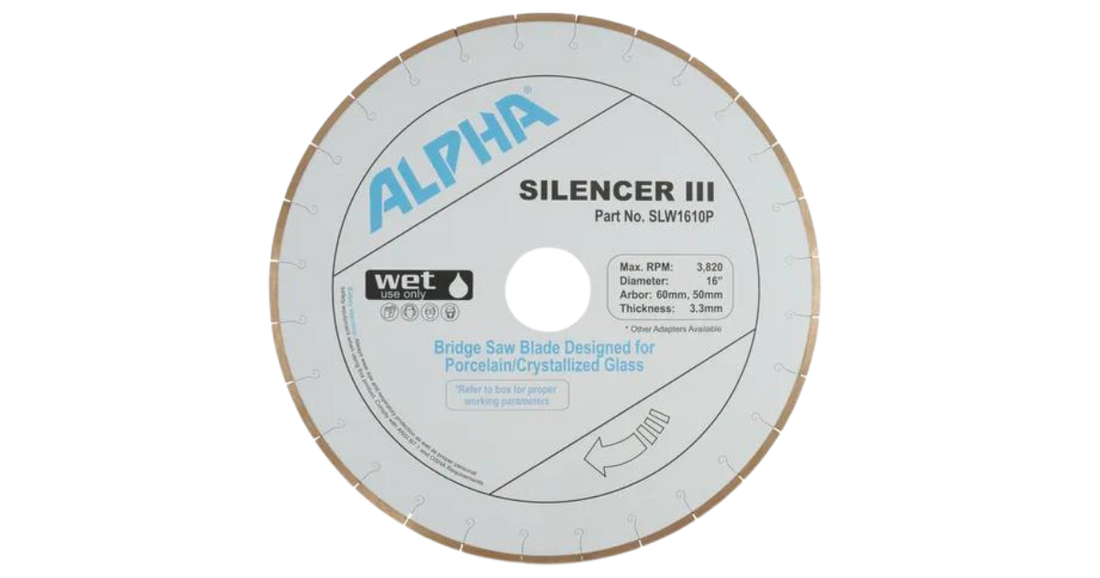
Even the right blade can underperform if conditions aren’t right. A few factors make a noticeable difference.
1. Glass Type
Different materials behave differently under the same blade.
-
Float glass is more predictable
-
Laminated glass adds internal resistance
-
Coated glass can affect wear patterns
-
Tempered glass must be processed before tempering
Blade selection needs to match the material—not just the task.
2. Wet vs. Dry Use
Heat is one of the biggest variables in glass cutting.
Wet operation helps:
-
Control temperature
-
Extend blade life
-
Improve edge quality during cutting
Dry use is possible with specific blades, but without proper design, it increases risk and wear.
3. Blade Bond and Grit
The bond and grit of a diamond blade determine how it cuts and how long it lasts.
-
Coarse grit removes material faster
-
Fine grit improves edge quality and reduces chipping during cutting
Using the wrong grit either slows the job down or compromises finish quality.
4. Machine Compatibility
Blades need to match the equipment they’re used on.
This includes:
-
Handheld cutters
-
Bridge saws
-
CNC systems
Mismatch leads to vibration, uneven cuts, and faster wear.
Common Mistakes That Reduce Speed and Accuracy
Most issues aren’t caused by the blade—they come from how it’s used.
1. Using Non-Diamond Blades on Glass
This creates immediate inefficiencies:
-
Slower cutting
-
More chipping
-
Faster blade failure
It may work temporarily, but it doesn’t hold up under consistent production.
2. Applying Excessive Pressure
Diamond cutting blades are designed to work with controlled force.
Pushing harder leads to:
-
Cracks forming under stress
-
Uneven cuts
-
Reduced blade life
If force is required, something else needs adjustment.
3. Skipping Cooling or Lubrication
Running without cooling can:
-
Overheat the blade
-
Damage the glass surface
-
Shorten the blade's lifespan
Cooling stabilizes the entire process, not just temperature.
4. Using Worn or Incorrect Blades
Dull or mismatched blades create:
-
Rough edges
-
Increased vibration
-
Longer processing times
Replacing blades at the right stage keeps performance consistent.
What Happens When You Don’t Use Proper Diamond Cutting Blades

When the blade isn’t matched to the job, problems don’t stay isolated. They compound.
A. Poor Edge Quality
-
Rough finishes
-
Visible chips
-
Inconsistent dimensions
These often require additional work—or full replacement.
B. Increased Breakage and Waste
Glass failure is immediate.
That leads to:
-
Higher scrap rates
-
Lost material
-
Disrupted workflows
C. Slower Project Completion
Time is lost in:
-
Rework
-
Blade changes
-
Adjustments and corrections
What should be a smooth process becomes stop-and-go.
D. Safety Risks
Uncontrolled cuts increase the chance of:
-
Sudden cracking
-
Blade slippage
-
Flying fragments
Predictability is directly tied to safety.
Conclusion: Diamond Cutting Blades Drive Speed and Accuracy
In glass fabrication, consistency drives everything—speed, quality, and safety.
Diamond cutting blades improve that consistency by stabilizing the most critical step: cutting.
-
They cut efficiently without forcing the material
-
They maintain accuracy across repeated use
-
They reduce rework caused by poor edge quality
-
They last longer, keeping workflows stable
For shops relying on diamond cutting blades for glass fabrication, the difference isn’t subtle. It shows up in fewer delays, cleaner results, and more controlled operations.
The goal isn’t just faster cutting. It’s a process that holds steady from the first piece to the last.
For fabricators focused on improving cutting performance, the right diamond blade—and the right guidance—makes the difference. Tait Sales & Consulting, LLC supports that process with specialized expertise in glass cutting solutions.
FAQ's
Yes. Different blade designs and grit options allow them to handle a wide range of thicknesses when matched correctly.
No. Glass must be cut before tempering.
Not always, but in most cases, it improves edge quality, reduces heat, and extends blade life.
It depends on glass type, thickness, machine compatibility, and required edge quality.
They generally last significantly longer, especially when used with proper cooling and correct pressure, reducing both downtime and replacement frequency.
Robert Tait
Robert Tait is a senior sales and operations leader with over 30 years of experience in manufacturing and distribution. Based in Overland Park, Kansas, he is the President of Tait Sales & Consulting LLC (TSC), a family-owned and operated venture he founded in 2019. TSC was founded to provide diamond tooling, material handling, and all related consumables to the natural stone industry. The industries have now expanded to include, construction, glass, tile, masonry, hardscape and concrete industries.