

The History of Diamond Manufacturing: The Laxative That Saved the Diamond Tooling Industry
|
Summary: The article explores how a simple milk of magnesia coating solved a major manufacturing challenge in early diamond blade production. By preventing unwanted interactions between carbon or graphite molds and segment materials, manufacturers improved bond quality, durability, and consistency. This practical innovation helped shape modern diamond blades and advanced tooling performance across the stone industry. |
When fabricators think about Diamond Blades, they usually focus on cutting speed, blade life, or the quality of the finished edge. What often goes unnoticed is the manufacturing process behind every diamond segment. Long before a blade reaches a fabrication shop, countless engineering decisions determine how well it will perform under demanding conditions.
The history of diamond tooling is filled with breakthroughs that didn't always come from expensive equipment or revolutionary machinery. Sometimes, the biggest improvements came from solving surprisingly simple problems.
One memorable example involves an unlikely material that most people associate with medicine rather than manufacturing: milk of magnesia. Believe it or not, this everyday product helped solve a major production challenge that affected diamond tooling manufacturers and ultimately improved the performance of Diamond Blades used throughout the stone industry.
It's a story that highlights an important lesson in manufacturing: sometimes the simplest solution delivers the biggest impact.
Video Reference: This article is based on historical insights shared in the original discussion of early diamond manufacturing challenges. Watch the original video here:
Building a Diamond Blade Is More Complex Than It Looks
A finished diamond blade may appear straightforward, but every cutting segment is the result of carefully controlled manufacturing.
Each segment combines:
-
Synthetic diamonds
-
Metal powders
-
Bonding materials
-
Controlled heat
-
High pressure
These materials must work together perfectly. If even one part of the manufacturing process goes wrong, the finished blade may suffer from poor cutting performance, premature wear, or segment failure.
That's why manufacturers spend so much time refining every stage of production.
Sometimes, however, the challenge isn't the diamond itself.
It's the manufacturing environment surrounding it.
A Manufacturing Problem That Wouldn't Go Away
During the early years of synthetic diamond tooling, manufacturers began encountering recurring metallurgical problems while producing blade segments.
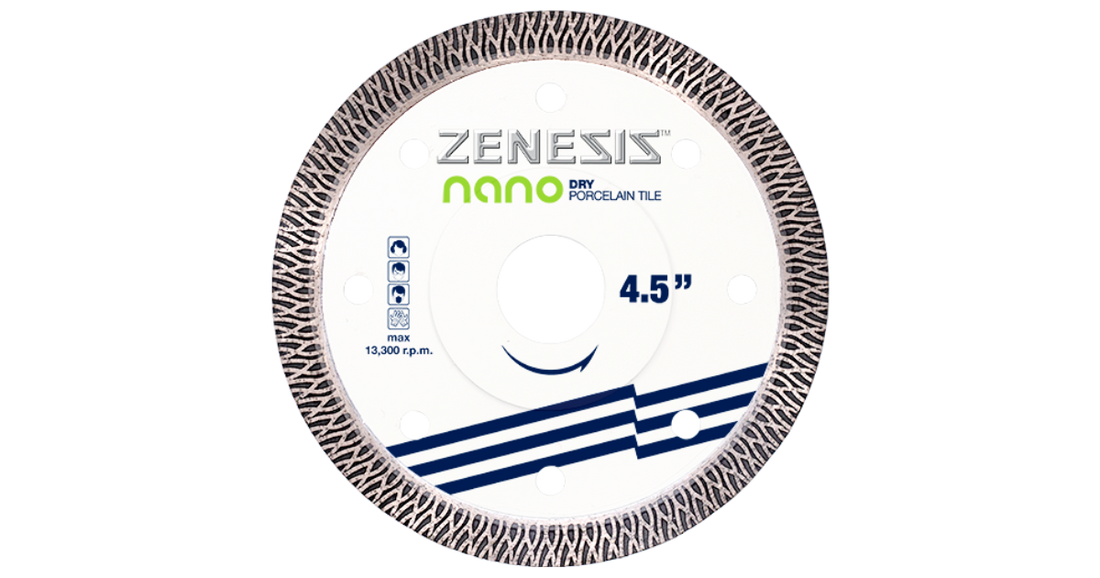
The issues appeared in two important areas.
First, some manufacturers struggled to achieve a reliable bond between the diamond segment and the steel blade core. Second, problems developed inside the segment itself, affecting the metal matrix that holds the diamonds during cutting.
These weren't isolated production defects.
They became ongoing challenges that influenced blade quality, consistency, and durability. For companies trying to improve Diamond Blades, finding the root cause became a priority.
Looking Beyond the Diamond
When troubleshooting manufacturing problems, it's easy to focus on the most obvious components.
Manufacturers often examined:
-
Diamond quality
-
Metal powder blends
-
Furnace temperatures
-
Pressing pressure
-
Cooling cycles
Yet despite adjusting these variables, some production issues remained. The breakthrough came when someone asked a much simpler question.
What kind of molds are being used to manufacture the segments?
Sometimes the right question reveals a solution that had been hiding in plain sight.
Carbon Molds Made Sense—Until They Didn't
At the time, many manufacturers used carbon or graphite molds during segment production.
There was a good reason for this.
Graphite performs exceptionally well during induction heating. It withstands extremely high temperatures while remaining stable throughout the manufacturing cycle.
For pressing diamond segments, carbon or graphite molds were practical and widely accepted.
On paper, everything looked correct. But there was one important detail that many manufacturers overlooked. The molds themselves weren't being coated before production. That small omission created unexpected problems.
Why an Uncoated Mold Created Bigger Issues
Diamond segments are produced under intense heat and pressure.
Inside the mold, synthetic diamonds and powdered metals are compressed into a solid cutting segment before eventually being attached to the blade core.
When those materials come into direct contact with an uncoated carbon mold, unwanted interactions can occur.
Instead of providing a neutral manufacturing surface, the mold could influence:
-
The metal matrix
-
Bond consistency
-
Segment integrity
-
Overall manufacturing quality
The issue wasn't that carbon or graphite molds were the wrong choice. The problem was that nothing separated the manufacturing materials from the carbon surface.
Once that realization became clear, the solution was surprisingly straightforward.
An Unexpected Recommendation
When asked how to solve the problem, the recommendation caught everyone off guard. The answer wasn't a specialized industrial chemical.
It wasn't an expensive coating. It wasn't new manufacturing equipment. The recommendation was simply:
Milk of magnesia.
The reaction was exactly what you'd expect. After all, milk of magnesia is commonly known as a household medicine, not a manufacturing material. The suggestion even prompted jokes about whether the molds had upset stomachs. But behind the humor was solid engineering.
A Simple Coating Made a Big Difference
The solution required very little effort.
Manufacturers simply brushed a thin layer of milk of magnesia onto the carbon or graphite molds before loading the diamond powders and metal materials. As the story goes, the once-black molds turned white with the coating. Then came the next step: place all the "gizmos", the diamond powders, metal blends, pressing components, and plungers used to form the segment, into the mold before sending everything into the furnace for pressing and sintering.
The process looked something like this:
|
Step |
Purpose |
|
Apply a thin coating of milk of magnesia |
Creates a protective barrier between the graphite mold and the segment materials |
|
Load the "gizmos" (diamond powders, metal blends, and pressing components) |
Prepare the segment for pressing |
|
Insert the plungers |
Maintain proper segment shape during compression |
|
Heat and press the assembly |
Complete segment formation and bonding |
That protective coating prevented direct interaction between the manufacturing materials and the carbon mold.
The production problems that had persisted for so long suddenly became far easier to manage.
Sometimes manufacturing breakthroughs don't require complex technology. They simply require looking at an old process from a new perspective.
Why Small Improvements Matter in Diamond Blade Manufacturing
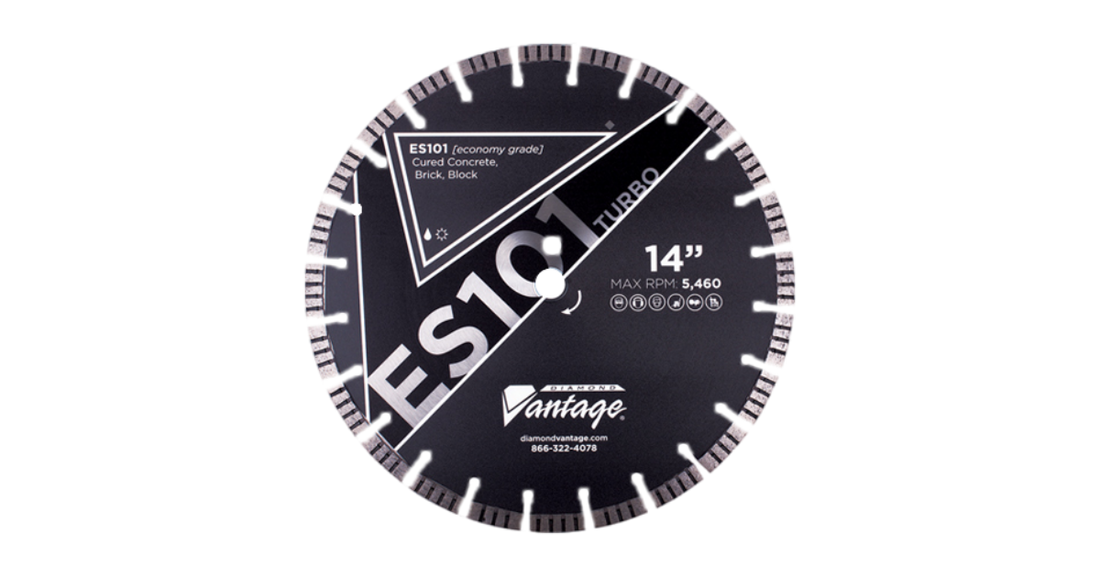
It's easy to assume that blade performance depends only on the diamonds themselves. In reality, every manufacturing step contributes to the finished product.
Small improvements during production can influence:
-
Segment strength
-
Diamond retention
-
Cutting consistency
-
Blade lifespan
-
Overall reliability
That's why manufacturers continuously refine even the smallest details. Improving one stage of production often leads to noticeable improvements in the finished tool.
The milk of magnesia story demonstrates that innovation isn't always about reinventing the process. Sometimes it's about removing one hidden obstacle.
The Evolution of Diamond Blades Continues
Modern Diamond Blades are the result of decades of manufacturing improvements like this one.
Today's production methods benefit from:
-
Better synthetic diamonds
-
Improved metal bond formulations
-
More consistent manufacturing controls
-
Advanced quality inspection
-
Precision segment placement
Many of these improvements build upon lessons learned through years of practical experience.
Manufacturers discovered what worked, what didn't, and how small adjustments could improve performance across thousands of blades.
That continuous refinement is one reason modern diamond blades deliver greater cutting speed, longer service life, and more predictable results than earlier generations.
Choosing the Right Diamond Blade Still Matters
Even with advances in manufacturing, selecting the proper blade remains essential.
Different applications require different blade characteristics depending on:
-
Material type
-
Cutting speed
-
Wet or dry operation
-
Desired finish
-
Equipment compatibility
Using the right Diamond Blades helps maximize productivity while reducing unnecessary wear on both the blade and the equipment.
Just as manufacturers carefully match materials during production, fabricators benefit from matching the right blade to the job.
Support from Tait Sales & Consulting
Choosing a diamond blade involves more than comparing diameters or segment heights.
At Tait Sales & Consulting, the focus is on helping fabricators select blades that match their equipment, materials, and production goals.
Whether you're cutting granite, engineered stone, quartz, marble, or concrete products, understanding how diamond tooling is manufactured provides valuable insight into overall tool performance.
The right recommendation helps improve efficiency, reduce downtime, and extend blade life throughout your fabrication workflow.
Conclusion: A Small Solution That Left a Lasting Impact
The story of milk of magnesia reminds us that innovation doesn't always arrive through expensive machinery or groundbreaking inventions. Sometimes, the biggest manufacturing improvements come from recognizing a simple problem and applying an equally simple solution.
By coating carbon or graphite molds before pressing diamond segments, manufacturers solved metallurgical issues that affected segment quality and blade performance. That practical adjustment helped improve production consistency and contributed to the ongoing evolution of modern Diamond Blades at Tait Sales & Consulting, LLC.
Today, fabricators benefit from decades of manufacturing knowledge built on lessons like these. Every high-quality diamond blade reflects years of refinement, careful engineering, and a commitment to solving real-world challenges, one improvement at a time.
FAQ's
It was applied as a thin coating on carbon or graphite molds to create a protective barrier, preventing unwanted reactions during segment production.
It improved the bond quality and integrity of diamond segments by reducing metallurgical issues caused by direct contact with carbon or graphite molds.
Carbon and graphite withstand high temperatures and perform well during induction heating, making it ideal for pressing diamond blade segments.
It enhanced segment strength, diamond retention, cutting consistency, blade lifespan, and overall manufacturing reliability.
The correct blade ensures optimal cutting performance, longer tool life, reduced wear, and better results based on the material, cutting method, and equipment used.
Robert Tait
Robert Tait is a senior sales and operations leader with over 30 years of experience in manufacturing and distribution. Based in Overland Park, Kansas, he is the President of Tait Sales & Consulting LLC (TSC), a family-owned and operated venture he founded in 2019. TSC was founded to provide diamond tooling, material handling, and all related consumables to the natural stone industry. The industries have now expanded to include, construction, glass, tile, masonry, hardscape and concrete industries.