

How Vacuum Lifters Reduce Labor Strain and Material Damage
|
Summary: Vacuum Lifters provide a safer, more efficient way to handle heavy slabs, glass, metal, and other flat materials. By using vacuum suction instead of mechanical clamping, they reduce labor strain, protect finished surfaces, improve lifting precision, and minimize material damage, making them an essential solution for modern material handling operations. |
Material handling isn't getting any easier. Fabrication shops, manufacturers, and construction crews are working with larger slabs, thinner panels, and more valuable materials every day. Moving them safely has become just as important as moving them efficiently.
Many traditional ways of lifting can make this harder. Manual lifting creates extra pressure on the operator, and clamps or straps can leave pressure marks or cause the edges to chip more easily, along with raising unstable loads.
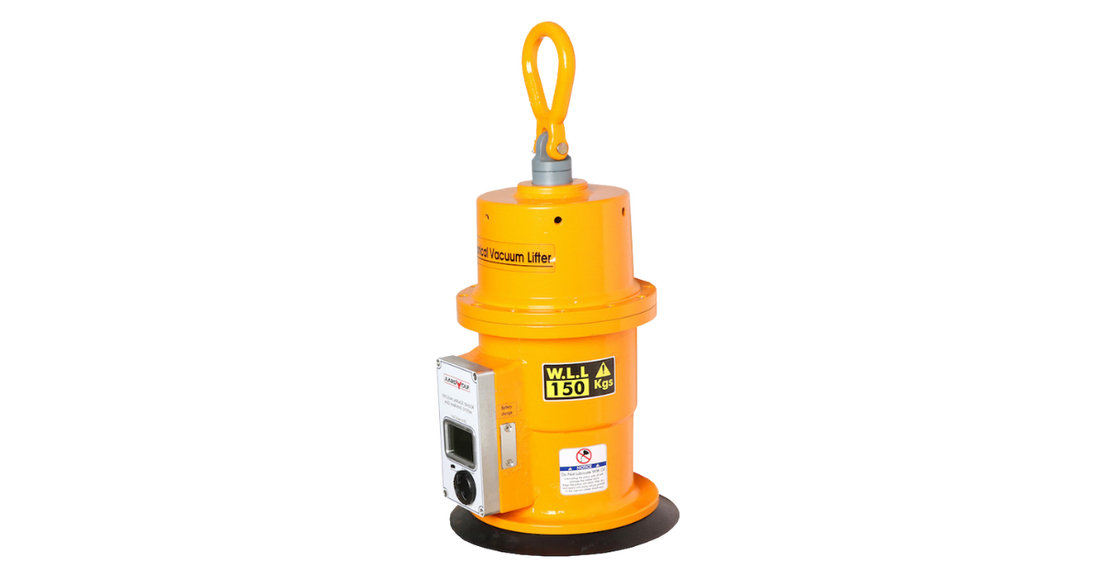
Vacuum Lifters help with that.
Instead of gripping the material, vacuum lifters create a secure seal across its surface. The result is safer lifting, better control, and less physical effort without compromising finished materials.
So how do vacuum lifters work and why have they gained the trust of fabricators in shops and at job sites?
Understanding Vacuum Lifters
A vacuum lifter is a device that employs negative air pressure to grip firmly onto a material, allowing it to be lifted, moved, and placed safely. It distributes the holding force uniformly across rather than pushing against the edges.
Vacuum lifters are commonly used for handling:
-
Granite and marble slabs
-
Quartz and engineered stone
-
Glass panels
-
Large-format porcelain
-
Metal sheets and other non-porous materials
A huge benefit over traditional clamps with this lifting method! This means less edge damage and cracking or movement on lifting, as the load is spread over a surface.
How Vacuum Lifters Work
The lifting process is straightforward, with each step designed to improve safety and control.
-
Pad Placement: Position the vacuum pads on a clean, dry surface to create a secure seal.
-
Create the Vacuum: An electric, pneumatic, battery-powered, or mechanical system removes air between the pad and the material, generating strong suction.
-
Lift the Material: Once the vacuum is established, the load can be safely lifted using a crane, hoist, forklift, or handheld unit while remaining stable.
-
Controlled Release: Release the vacuum using the control valve or switch, allowing the pads to disengage cleanly without damaging the material.
Types of Vacuum Lifters Available from Tait Sales & Consulting
Not every operation handles the same materials. Some fabrication shops move heavy stone slabs all day, while installation crews need portable equipment that travels easily between jobsites. That's why Tait Sales & Consulting offers vacuum lifters designed for a wide range of applications.
Industrial Vacuum Lifters
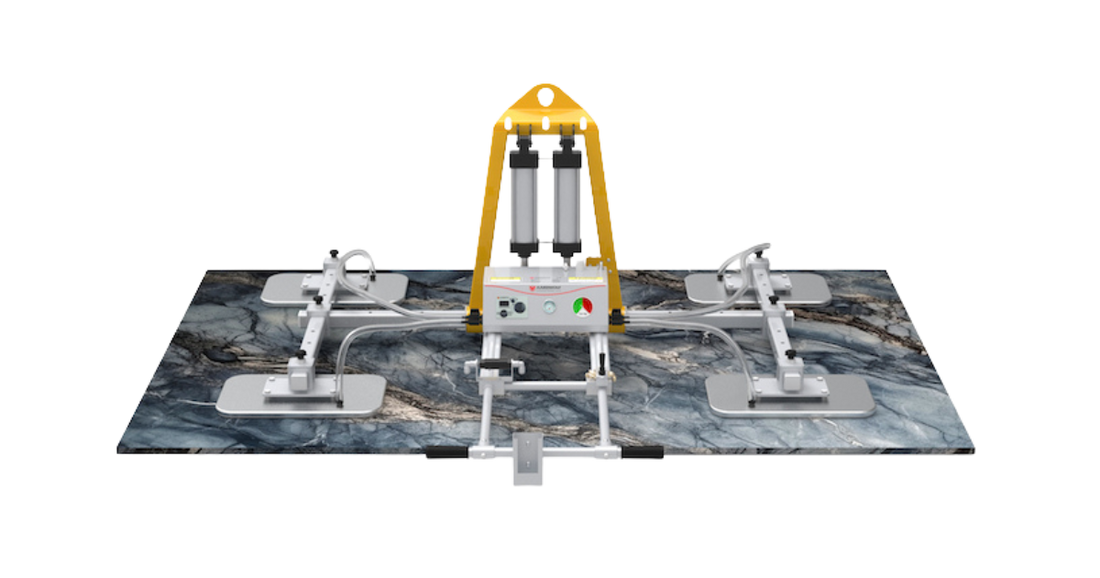
For shops that handle large materials every day, industrial vacuum lifters improve productivity while reducing manual handling.
|
Vacuum Lifter |
Best For |
Key Advantage |
|
Stone fabrication and workshops |
Pneumatic lifting with 90° vertical-to-horizontal tilting for heavy slabs |
|
|
Large metal sheets |
Electric-powered system with adjustable beam and eight vacuum pads |
|
|
Marble and granite handling |
Mid-capacity pneumatic lifter with manual tilt and rotating pad configuration |
Portable and Jobsite Solutions
|
Portable / Jobsite Vacuum Lifter |
Best For |
Key Advantage |
|
Glass, wood, tile, metal, and stone installation |
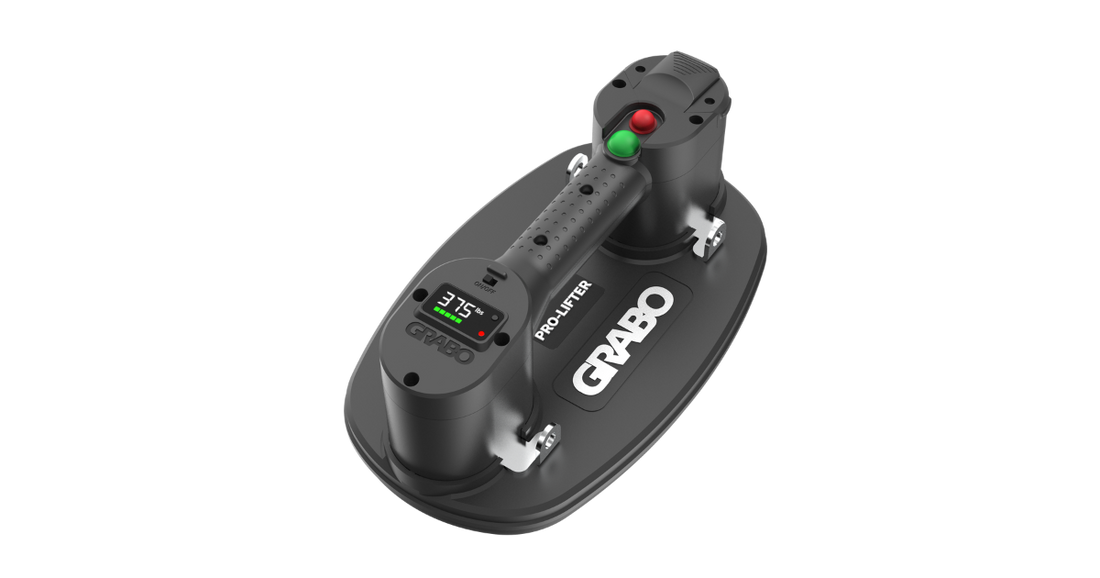
Compact electric vacuum lifter with a digital pressure sensor that automatically maintains suction for safe, portable lifting. |
|
|
Mobile installation crews and install trucks |
Battery-operated lifting solution powered by GRABO Pro units, ideal for jobsites without external air or electricity. |
|
|
Glass handling and installation |
Compressed-air vacuum lifter with manual tilt and rotation for accurate glass positioning. |
|
|
Pavers, tiles, and stone installation |
Lightweight vacuum lifter that uses a standard air compressor for fast, repetitive lifting tasks. |
|
|
Non-porous stone, metal, and sheet materials |
Self-powered mechanical vacuum lifter that operates without electricity, battery or compressed air. |
|
|
Small lifting jobs and secondary support |
Hand-operated vacuum cup with an integrated pressure gauge for quick, controlled lifting of smooth surfaces. |
Why Professionals Choose Vacuum Lifters
Vacuum lifters do more than move heavy materials. They help improve safety, protect valuable products, and keep daily operations running more efficiently.
Reduced Labor Strain
Large slabs and finished panels often require multiple workers using traditional lifting methods. Vacuum lifters reduce the amount of manual effort needed, allowing crews to move materials with greater ease.
That means:
-
Less repetitive lifting
-
Reduced operator fatigue
-
Fewer manual handling risks
-
Improved productivity throughout the day
For busy fabrication shops, those improvements quickly translate into smoother operations.
Better Material Protection
Finished materials represent a significant investment. Even a small chip or surface scratch can lead to unnecessary replacement costs.
Because vacuum lifters distribute lifting force evenly across the surface, they help reduce the risk of:
-
Chipped edges
-
Surface scratches
-
Cracked slabs
-
Pressure marks on finished materials
That's one reason they're widely used for granite, marble, porcelain, glass, and engineered stone.
Improved Safety and Positioning
Many industrial vacuum lifters include built-in pressure gauges, warning alarms, and reserve vacuum systems that help operators monitor lifting performance throughout the move.
Just as importantly, vacuum lifting provides better control during positioning. Whether loading a CNC machine or installing a finished countertop, operators can make small adjustments without constantly resetting the load.
Industries That Depend on Vacuum Lifters
From fabrication shops to construction sites, Vacuum Lifters have become a trusted solution for moving heavy materials safely and efficiently.
Stone Fabrication
Vacuum lifters simplify moving granite, marble, quartz, and porcelain slabs between storage, saws, CNC machines, and fabrication tables. They're also widely used during countertop installation for accurate placement.
Glass and Glazing
Glass installers rely on vacuum lifters to move windows, storefront glass, and curtain wall panels without applying pressure to the edges. Many models also offer tilt and rotation for easier positioning.
Construction and Manufacturing
Large metal sheets, architectural panels, and other building materials can be lifted with greater control while reducing manual handling and improving workflow.
Warehousing and Logistics
Vacuum lifters help load, unload, and transport large flat materials while reducing product damage during storage and shipping.
Best Practices for Safe and Efficient Use
The right equipment performs even better when paired with good operating habits. A few simple routines help keep vacuum lifters working safely and reliably.
Operator Training
Every operator should understand:
-
Proper pad placement
-
Load capacity limits
-
Safe lifting procedures
-
Correct vacuum release methods
Consistent training improves both safety and efficiency.
Daily Checks
Before lifting materials:
-
Inspect vacuum pads for wear.
-
Check hoses and fittings for leaks or damage.
-
Verify vacuum pressure before every lift.
-
Make sure material surfaces are clean and dry.
Small inspections often prevent larger problems later.
Safe Handling Practices
Avoid lifting damaged or cracked materials whenever possible.
Move loads smoothly without sudden stops or swinging motions.
Monitor vacuum indicators throughout the lift and respond immediately to any pressure warnings.
Simple habits like these help protect both operators and valuable materials.
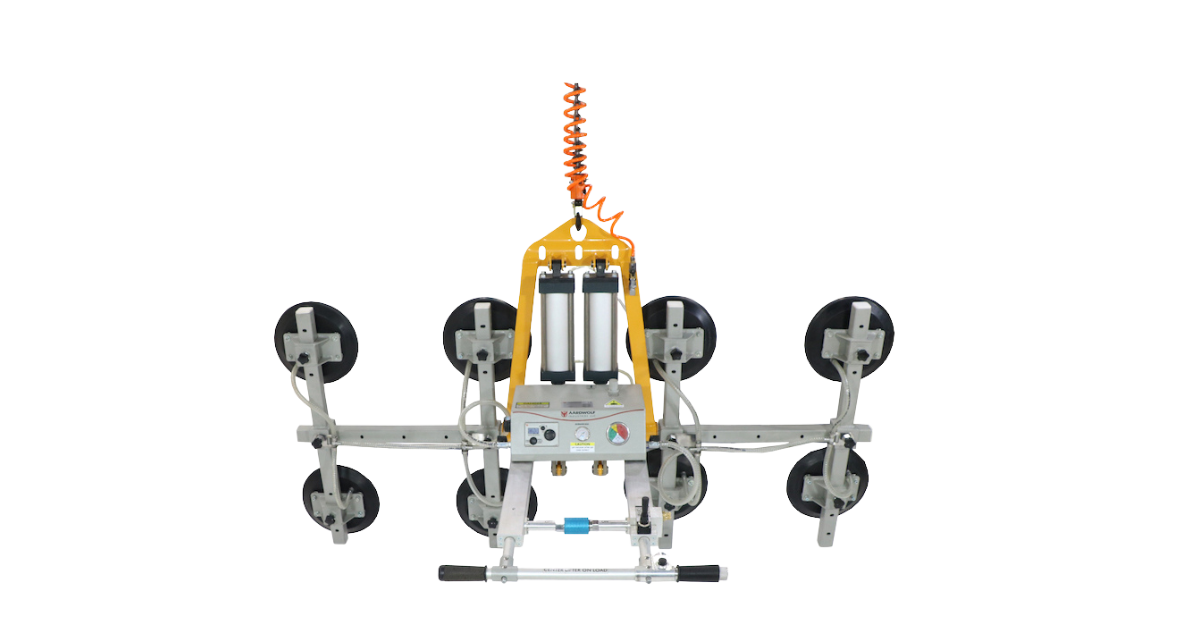
Also Read: How Vacuum Lifters Reduce Labor Costs Heavy Material Handling
Choosing the Right Vacuum Lifter for the Job
Selecting the right vacuum lifter is not only about weight capacity. The ideal answer for you is dependent upon the materials that you work with, the kind of hardware that you use, and how your day-to-day workflow operates.
Tait Sales & Consulting considers your operation and makes vacuum lifter recommendations that suit your fabrication or installation needs before purchase.
While implementing, the team can help with setting up equipment, how lifting is done, and how the lifter would fit into current workflows.
After-purchase support includes replacement parts, troubleshooting, and product advice as your handling requirements develop.
Regardless of whether yours is a small fabrication shop or large manufacturing facility, the proper support ensures you get maximum value from your lifting equipment.
Conclusion: Handle Heavy Materials with Greater Confidence
As materials become larger and more valuable, safe handling becomes an even bigger part of maintaining productivity. The right lifting equipment doesn't just move materials—it helps protect your crew, reduce product damage, and improve everyday workflows.
Vacuum Lifters offer a practical solution for fabrication shops, manufacturers, warehouses, and installation teams looking to handle materials more safely and efficiently.
If your operation is still relying on manual lifting or traditional clamps for finished materials, it may be time to rethink your material handling process. Tait Sales & Consulting, LLC can help you choose the right vacuum lifter for your application, so your team can work safer, faster, and with greater confidence.
FAQ's
No. Vacuum lifters hold the surface evenly, helping to mitigate chipping, scratching, and damage along edges.
Many portable models are designed for single-person use, while larger systems work with cranes or hoists.
Most industrial designs will contain reserve vacuum tanks and alarm systems to keep you lifting safely during a power outage.
Some porous or very textured materials may not establish a vacuum seal except with specific lifters.
Vacuum lifters create negative air pressure between the pad and the material. Many industrial models also include vacuum gauges and alarm systems that monitor pressure throughout the lift.
Robert Tait
Robert Tait is a senior sales and operations leader with over 30 years of experience in manufacturing and distribution. Based in Overland Park, Kansas, he is the President of Tait Sales & Consulting LLC (TSC), a family-owned and operated venture he founded in 2019. TSC was founded to provide diamond tooling, material handling, and all related consumables to the natural stone industry. The industries have now expanded to include, construction, glass, tile, masonry, hardscape and concrete industries.