

Are Stone Routers Worth the Investment for Fabricators?
|
Summary: Stone routers help fabrication shops improve edge consistency, reduce polishing labor, and speed up production workflows. They create repeatable profiles, smoother edge preparation, and cleaner finishes across granite, quartz, marble, and engineered stone. While routers require investment in tooling and training, they reduce correction work, improve fabrication quality, and support more efficient long-term stone processing operations. |
Stone fabrication shops are under constant pressure to produce cleaner work in less time.
Customers expect polished edges, consistent profiles, smooth transitions, and installation-ready finishes across granite, quartz, marble, porcelain, and engineered stone surfaces.
The problem is that grinders and hand tools can only take edge work so far before consistency starts breaking down.
Freehand shaping creates variation. Polishing takes longer because operators spend more time correcting imperfections that could have been controlled earlier in the process. That is where a dedicated stone router changes the workflow.
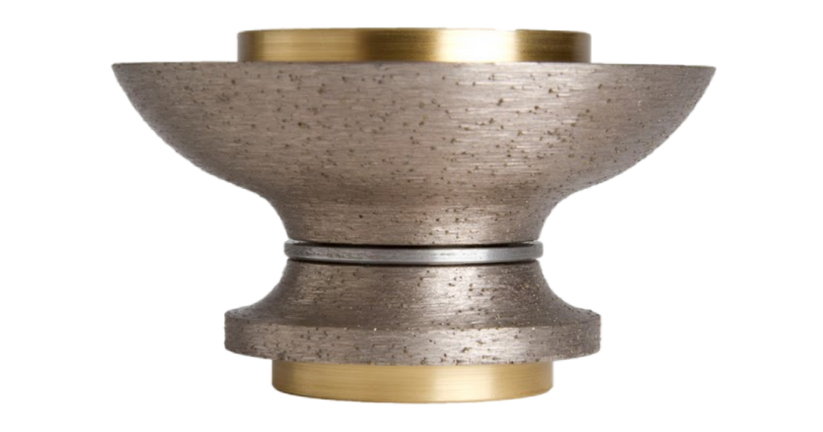
A proper stone router is designed for controlled edge shaping, repeatable profiling, smoother edge preparation, and consistent bit performance on stone materials.
Without a dedicated router, fabrication shops often deal with:
-
Inconsistent edge profiles
-
Excessive grinding time
-
Higher polishing labor
-
More rework across finished pieces
Those hidden costs build up quickly across multiple jobs.
This guide breaks down whether stone routers are worth the investment by looking at workflow efficiency, edge quality improvements, labor reduction, and long-term fabrication performance.
Cost vs. Benefit: What You Spend vs What You Gain
1. Initial Investment
Stone routers vary heavily depending on:
-
power
-
portability
-
shop volume
-
intended application
Some routers are built for lightweight field work. Others are designed for continuous edge shaping inside fabrication shops.
-
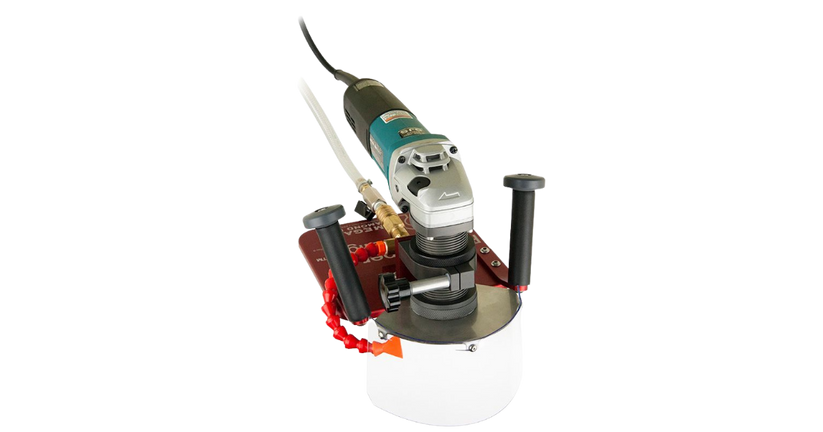
The Red Ripper Ultralight Stone Router focuses on portability and lighter edge-routing applications.
-
For fabricators handling tougher materials and more aggressive shaping work, the Red Ripper Ultralight Super Stone Router adds more grinding power while remaining lightweight enough for easy handling.
-
At only 22 pounds, it is built for profiling sinks, shaping edges, and pre-fab work without becoming difficult to maneuver.
-
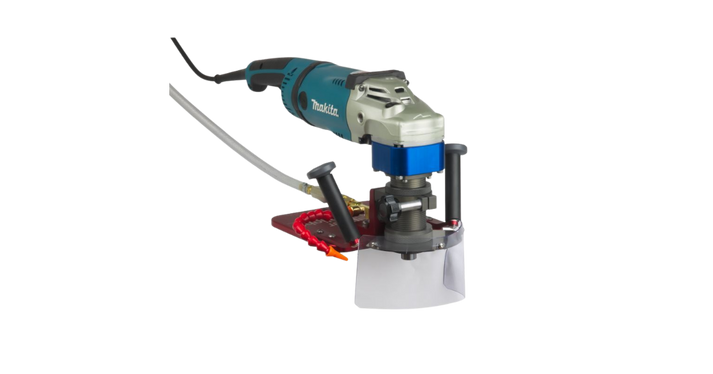
The Red Ripper Sr. Stone Router moves into heavy-duty fabrication territory.
Its belt-drive system is designed for harder and faster cutting while maintaining power transfer to the router bit. The hydroplaning base helps the machine move smoothly over the stone surface without scratching the finished material.
Why it matters:
-
Lighter routers improve portability
-
Heavy-duty routers improve production consistency
-
Controlled routing reduces manual correction work
-
Smoother edge prep lowers polishing time later
The investment depends heavily on fabrication volume and workflow demands.
Small shops may prioritize flexibility and portability. Larger fabrication environments usually prioritize repeatability and long-term production efficiency.
2. Tooling & Consumables
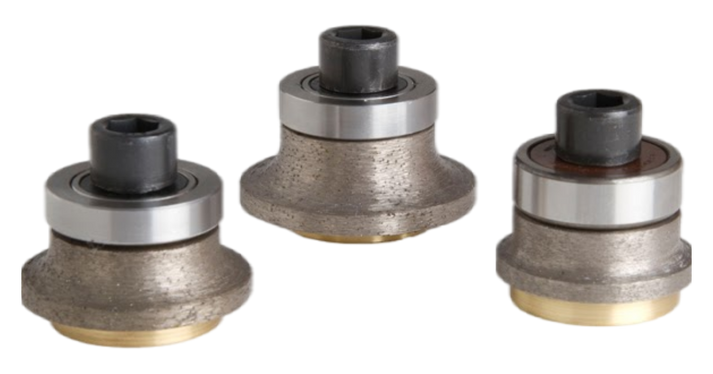
The router itself is only part of the system. Router bits determine edge shape, finish quality, and material removal performance.
Different fabrication jobs require different profiles, such as eased edges, bullnose shapes, ogee designs, and cove transitions.
-
The APEXX Shape A Eased Edge Brass-Core Router Bits are designed for eased-edge shaping on granite, marble, and engineered stone. Their brass core helps preserve diamond strength, reduce vibration, dissipate heat, and improve tool life.
-
The APEXX Shape V Bullnose Brass-Core Router Bits create full bullnose profiles, one of the most common countertop edge styles used in fabrication work.
-
For decorative edge applications, the APEXX Shape Q Cove Ogee Brass-Core Router Bits create cove ogee profiles while helping smooth the edge before polishing.
High-quality bits matter because they reduce vibration, improve edge consistency, and lower polishing labor afterward.
Tool life still depends on:
-
stone hardness
-
feed rate
-
cooling conditions
-
operator technique
But smoother shaping and fewer corrections usually offset consumable costs over time.
3. Labor Time Savings
This is where routers often justify their cost the fastest.
Manual grinding takes time, and freehand shaping creates inconsistencies that polishing crews must correct later. Routers reduce manual edge shaping time while improving profile consistency from the beginning.
A smoother baseline edge means polishing crews spend less time leveling surfaces and correcting imperfections.
Why it matters:
-
fewer polishing passes
-
lower labor dependency
-
reduced correction work
-
faster production flow
The savings happen across the entire finishing process, not just during routing itself.
Productivity: How Routers Deliver Faster Workflows
A. Consistent Results on Every Job
Consistency matters more as fabrication volume increases.
Freehand edge work varies from operator to operator. Routers reduce that variation by following the geometry of the router bit itself.
Why it matters:
-
Depth stays consistent
-
Edge angle remains controlled
-
Profiles repeat across slabs
-
Production becomes more predictable
That becomes critical for countertop shops producing multiple matching pieces across kitchens, islands, backsplashes, and waterfall edges.
The router creates repeatability that hand grinding cannot maintain consistently across high-volume work.
B. Less Polishing Required
Routers also improve polishing efficiency.
A smoother, routed edge means polishing crews spend less time correcting uneven transitions and removing high spots.
Why it matters:
-
Polishing becomes faster
-
Fewer pads are consumed
-
Gloss consistency improves
-
Edge finishing becomes more predictable
The polishing stage becomes easier because the preparation underneath is already controlled.
Quality Improvements That Matter
1. Repeatable Profiles
Stone routers are designed for repeatable edge geometry.
That includes:
-
bullnose profiles
-
eased edges
-
ogee profiles
-
decorative transitions
Consistency improves the overall appearance of finished countertops and helps make the slabs look more uniform across the entire installation.
2. Fewer Surface Imperfections
Better edge control also helps reduce micro-chipping, uneven contours, and edge waviness before polishing begins.
Correcting imperfections after polishing always takes longer than preventing them during shaping.
Cleaner routing reduces:
-
rework
-
material waste
-
polishing inconsistencies
-
edge correction time
Versatility: Routers in Everyday Stone Fabrication
A. Edge Work
Stone routers are not limited to decorative profiling.
They are also commonly used for:
-
edge squaring
-
corner softening
-
bevel creation
-
surface cleanup after cutting
Why it matters:
-
Routers handle multiple fabrication stages
-
Controlled shaping improves edge durability
-
Smoother prep simplifies polishing
That versatility increases the value of the tool across different types of fabrication work.
B. On-Site Adjustments
Portable router systems become especially useful during installation work.
The Red Ripper Ultralight Super Stone Router allows field corrections, edge touch-ups, sink edge refinement, and installation-time shaping without returning slabs to the shop.
Why it matters:
-
faster installation corrections
-
fewer production delays
-
improved service flexibility
Portability becomes valuable when adjustments happen outside the fabrication environment.
Comparing Routers to Other Tools
A. Routers vs Grinders
Grinders remove material quickly, but they are not designed for controlled edge profiling.
Freehand grinding depends heavily on operator skill, while routers follow the geometry of the router bit itself. That improves repeatability and edge consistency across multiple pieces.
Grinders still play an important role during cleanup and polishing preparation, but routers specialize in controlled shaping.
B. Routers vs CNC Machines
CNC systems provide automation and complex cutting capability, but routers still offer advantages for many fabrication shops.
Routers are:
-
more affordable
-
easier to deploy
-
better for smaller jobs
-
practical for installation work
For many shops, routers complement CNC equipment instead of replacing it.
Who Benefits Most from Investing in a Router
A. Small & Mid-Size Shops
Smaller fabrication shops often need repeatable quality without the cost of full CNC automation.
Routers provide professional edge shaping while keeping equipment investment manageable.
B. High-Volume Shops
Larger fabrication shops benefit from routers differently.
Routers help reduce cycle time, standardize edge work, support polishing departments, and handle secondary shaping operations during busy production schedules.
Even high-volume CNC shops still rely on routers during edge preparation and detail work.
Pitfalls to Watch With Router Investment
1. Training & Technique
Stone routers still require proper handling.
Operators need to understand feed rate, cooling requirements, pressure control, and bit selection.
Incorrect technique increases vibration, affects edge quality, and reduces tool life.
2. Bit Wear & Replacement Costs
Diamond bits wear over time, especially on harder stone materials.
Fabricators should plan for:
-
replacement cycles
-
routine maintenance
-
proper cooling management
Bit condition directly affects shaping consistency and polishing performance.
Conclusion: Are Stone Routers Worth It?
For most fabrication shops, stone routers are worth the investment because they improve both quality and workflow efficiency.
They help fabricators:
-
create cleaner edge profiles
-
reduce polishing labor
-
improve edge consistency
-
lower correction time
-
produce more repeatable results
The savings happen across the full fabrication process, not just during routing itself.
Whether the shop is small, medium, or high-volume, routers improve edge shaping control while reducing the amount of manual correction work required afterward.
Explore Stone Router Options at Tait Sales & Consulting LLC to build a fabrication workflow focused on cleaner edge shaping, smoother finishing, and better long-term production consistency.
FAQ's
Yes. Routers create smoother and more consistent edge preparation, which reduces the amount of polishing and correction work needed afterward.
Yes. Many stone routers and router bits are designed to work effectively on granite, marble, engineered stone, and quartz materials.
The ideal router bit profile depends on the desired edge design, slab thickness, and the specific fabrication requirements of the project.
Bit life varies based on factors such as stone hardness, cooling conditions, feed rate, and operator technique during fabrication.
No. Routers are designed for precise shaping and profiling, while grinders are still commonly used for cleanup, blending, and surface preparation before polishing.
Robert Tait
Robert Tait is a senior sales and operations leader with over 30 years of experience in manufacturing and distribution. Based in Overland Park, Kansas, he is the President of Tait Sales & Consulting LLC (TSC), a family-owned and operated venture he founded in 2019. TSC was founded to provide diamond tooling, material handling, and all related consumables to the natural stone industry. The industries have now expanded to include, construction, glass, tile, masonry, hardscape and concrete industries.