

What Type of Stone Clamp Should You Use for Slabs?
|
Summary: Choosing the right stone clamp depends on the slab thickness, weight, lifting method, and working environment. From manual carrying clamps to heavy-duty slab lifting solutions, the right equipment helps improve control, protect stone surfaces, reduce physical strain, and keep material handling safer and more efficient. |
Stone fabrication involves moving heavy material at almost every stage of the job. Slabs need to be transferred from storage, positioned for fabrication, moved around the shop, and sometimes loaded for installation or transport.
That makes the right stone clamp more than just another shop accessory.
A poorly matched clamp can create unnecessary strain, damage the material, or make a simple move more difficult than it needs to be. The right clamp, on the other hand, gives operators better control while making slab handling faster and more practical.
The key is matching the clamp to the job.
Let's look at the main types of stone clamps, what they are designed to do, and how to choose the right option for your operation.
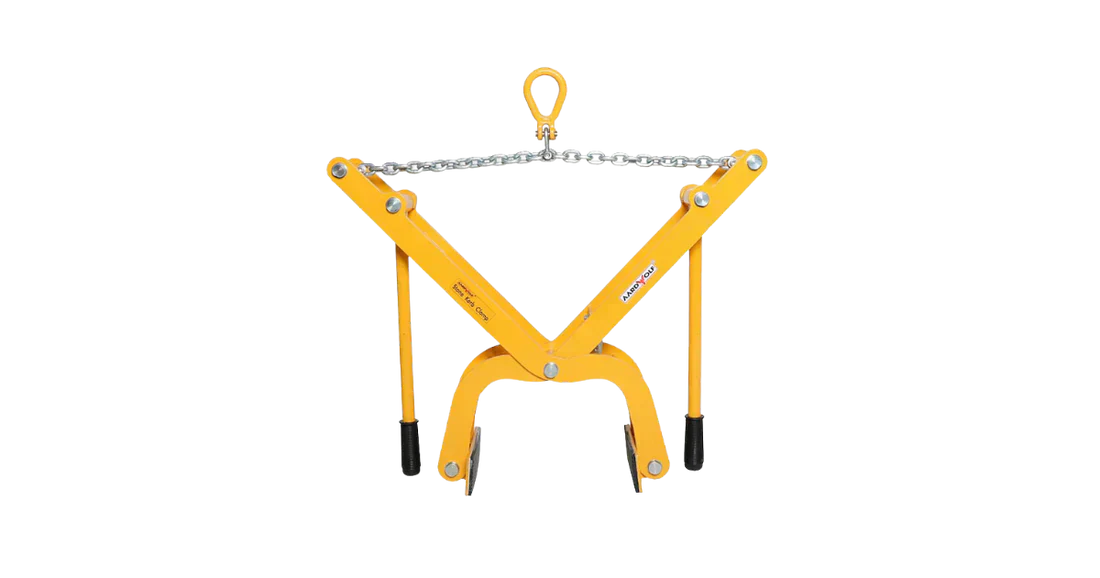
Why Choosing the Right Stone Clamp Matters
Stone slabs can be heavy and difficult to handle manually. Granite, marble, engineered stone, plywood panels, and other materials all require controlled movement.
The correct stone slab lifting clamp should match the material and the task.
A good clamp can help:
-
Improve slab handling
-
Reduce physical strain
-
Protect finished surfaces
-
Make short-distance moves easier
-
Improve control during lifting
-
Reduce unnecessary handling time
But here's the thing: not every clamp is designed for the same application.
A manual carrying clamp used for moving a slab around the shop is different from equipment designed for mechanical lifting. Understanding that difference is the first step toward choosing the right tool.
Types of Stone Clamps for Slab Handling
Tait Sales & Consulting offers several Aardwolf carrying clamp options designed for different slab thicknesses and handling preferences.
Aardwolf SCC03-W White Stone Carrying Clamp
The Aardwolf SCC03-W White Stone Carrying Clamp is designed to be used in pairs for safely lifting and carrying stone panels.
The clamp uses the weight of the stone to create the clamping action. Its vulcanized rubber-lined jaws help protect the material surface during handling.
It can be used with:
-
Granite
-
Stone
-
Marble
-
Panels
-
Plywood
-
Other suitable materials
The clamp has a 0–1.96" (0–50 mm) grip range and a 441 lb (200 kg) working load limit when used as a pair.
This makes it a practical option for manual slab and panel handling around the shop.
Aardwolf Stone Carrying Clamp 50–100 mm
For thicker material, the Aardwolf Stone Carrying Clamp 50–100 mm (2"–4") provides a larger grip range.
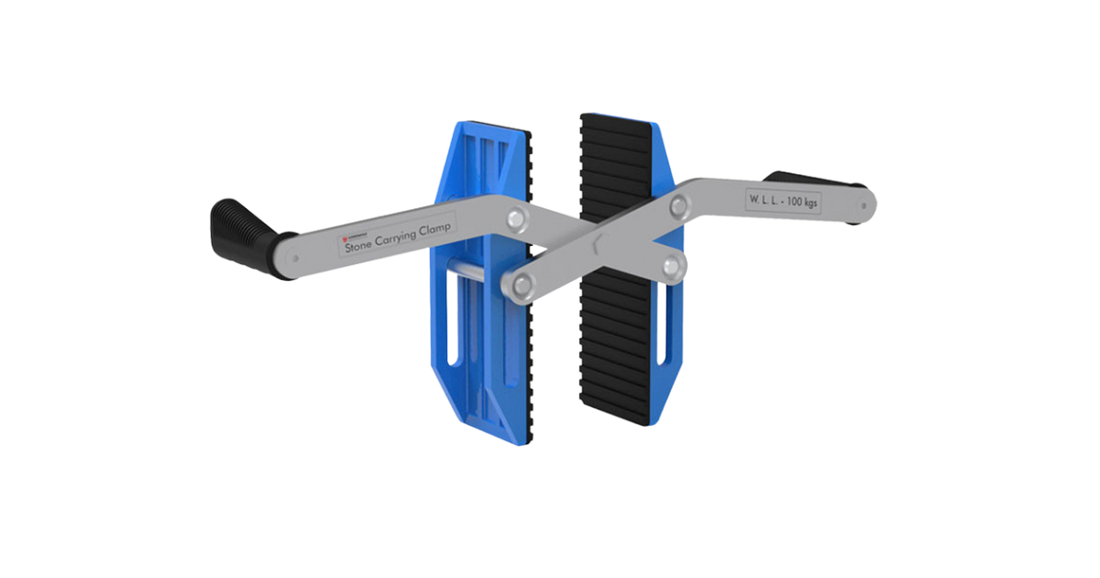
Like the other carrying clamps, it is designed to be used in pairs. The weight of the stone provides the clamping action, while vulcanized rubber lining helps protect the surface.
Grip range: 2"–4" (50–100 mm)
Working load limit: 441 lb (200 kg) per pair
This makes it a useful choice when working with thicker panels or materials that fall outside the range of a smaller carrying clamp.
Aardwolf SCC06-W White Stone Carrying Clamp
The Aardwolf SCC06-W White Stone Carrying Clamp offers a shorter handle design while maintaining a 0–1.96" grip range.
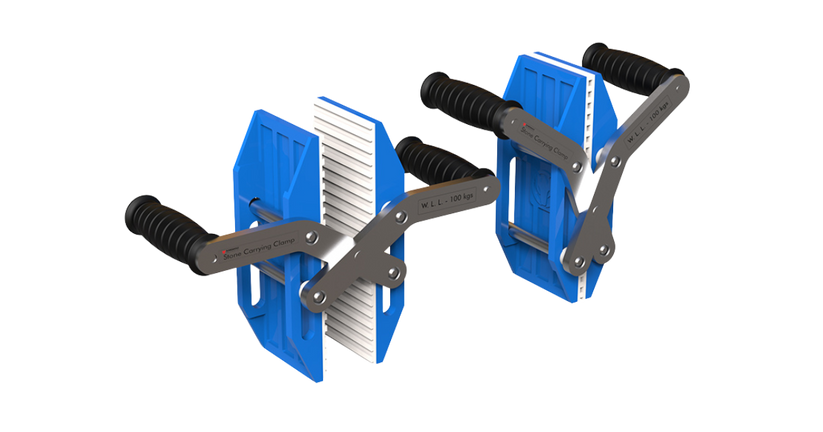
It is another option for carrying granite, marble, stone panels, plywood, and other suitable materials.
The clamp is designed to be used in pairs and has a 441 lb (200 kg) working load limit when used as a pair.
The shorter handle can be useful where the operator prefers a more compact carrying setup.
Key Factors in Choosing a Stone Clamp
Choosing a stone slab lifting clamp starts with understanding the material and the job.
A. Slab Size & Weight
Weight is one of the first things to check.
Never exceed the working load limit of the clamp. If the clamp is designed to be used in a pair, follow the manufacturer's rating for the pair.
Knowing the approximate slab weight before handling it helps you select equipment that is appropriate for the job.
B. Slab Thickness
Clamp grip range is just as important as load capacity.
For example:
-
0–1.96": Suitable for thinner material within the stated range
-
2"–4": Designed for thicker material from 2"–4"
Always measure the actual slab thickness and compare it with the clamp's grip range before use.
C. Type of Lift
The lifting method also affects your equipment choice.
-
Manual Carrying: Use appropriate paired carrying clamps for moving slabs short distances.
-
Crane or Hoist Lifting: Use equipment specifically designed and rated for mechanical lifting. Automatic or high-capacity clamps may be appropriate depending on the application.
-
Rack Extraction: A suitable automatic slab lifter can help remove slabs from storage with less manual handling.
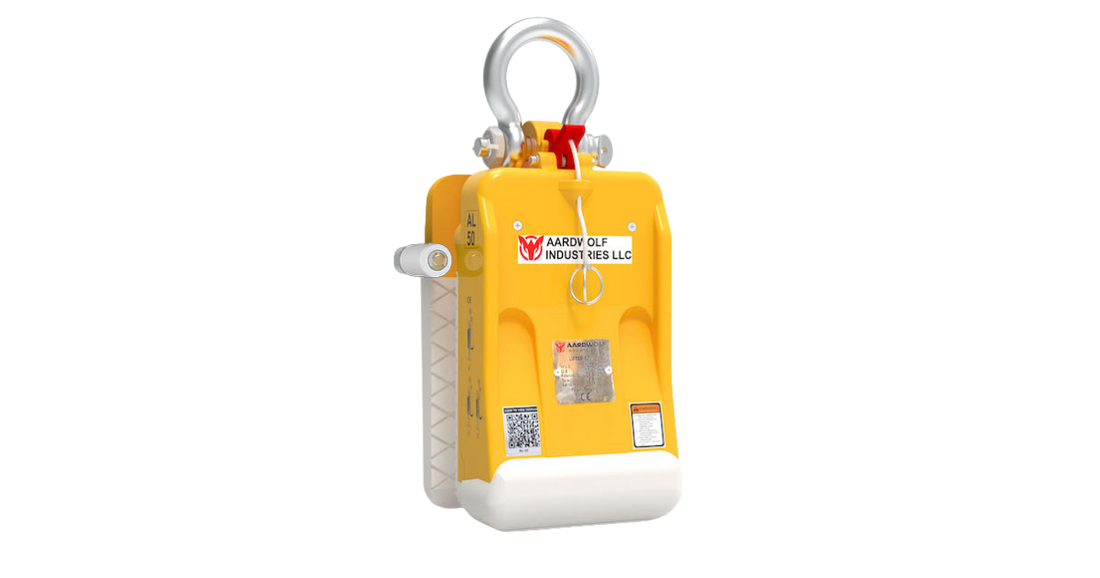
The key is matching the equipment to the way the slab will be moved.
D. Surface Protection Needs
Finished stone surfaces need attention during handling.
The Aardwolf carrying clamps feature vulcanized rubber-lined jaws, which help prevent damage to the material surface.
Before using any clamp, inspect the rubber lining and keep the contact surfaces clean. Dirt, debris, or damaged rubber can affect how the clamp contacts the material.
Detailed Clamp Categories & Use Cases
1. Manual Carrying Clamps
Use Case:
Manual carrying clamps are useful for moving slabs and panels around the workspace, transferring material from one location to another, and handling shorter-distance moves.
Aardwolf carrying clamps are designed to be used in pairs, allowing operators to grip and carry suitable materials.
Pros:
-
Simple mechanical design
-
Portable
-
Easy to use for appropriate applications
-
No external power required
Limitations:
-
Limited by the clamp's working load limit
-
Requires appropriate operator handling
-
Not intended to replace mechanical lifting equipment for applications requiring a crane or hoist
For everyday shop movement, a properly selected manual clamp can be a straightforward solution.
2. Automatic & High-Capacity Clamps
Use Case:
Automatic and higher-capacity lifting equipment is intended for applications where slabs need to be handled using cranes, hoists, forklifts, or other mechanical lifting systems.
These solutions can be useful for larger slabs, vertical lifting, placing material onto equipment, or moving material where manual carrying isn't practical.
Pros:
-
Reduces manual handling
-
Useful for heavier material
-
Can integrate with mechanical lifting systems
-
Helps improve workflow efficiency
Limitations:
-
Requires compatible lifting equipment
-
Higher equipment investment
-
Must be used according to the manufacturer's load and application requirements
For concrete slab lifting and other heavy material-handling applications, make sure the lifting equipment and attachment are properly rated for the load.
How Clamp Choice Affects Safety & Workflow
A. Using the Wrong Clamp
Choosing the wrong stone lifting clamp can create problems before the lift even begins.
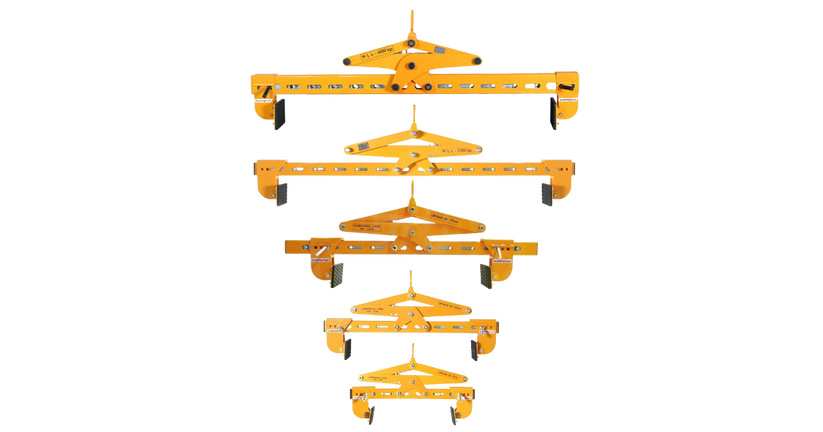
An incorrect clamp match can lead to:
-
Unsecured slabs slipping during handling
-
Improper contact with the material
-
Surface damage
-
Excessive physical strain
-
Unsafe lifting conditions
Grip range and working load limit should always be checked before using a clamp.
If mechanical lifting equipment is being used, never stand beneath a suspended load.
B. Best Practices for Clamp Use
A few simple checks can help keep slab handling controlled:
-
Always verify load ratings before use.
-
Match the grip range to the actual slab thickness.
-
Pair clamps properly when the product is designed for use in pairs.
-
Inspect clamps regularly for wear, damage, and proper operation.
-
Check rubber linings for wear or contamination.
-
Keep contact surfaces clean before handling material.
The equipment is only as effective as the way it is selected and used.
Conclusion: Select Clamps Based on Task, Weight, and Access
Choosing the right stone clamp comes down to a few basic questions.
-
How heavy is the slab?
-
How thick is it?
-
How are you moving it?
-
Where are you moving it?
Does the clamp provide the right surface protection?
For manual carrying applications, Aardwolf stone carrying clamps provide a simple mechanical solution. The 0–1.96" models are designed for thinner material within their stated range, while the 2"–4" model is intended for thicker material.
For mechanical applications, a suitable Slab Lifter or other rated lifting equipment may be more appropriate.
There is no reason to overcomplicate slab handling. Start with the material, understand the job, check the specifications, and choose the equipment that fits.
Explore the Stone Clamp range at Tait Sales & Consulting, LLC, to find the right solution for your slab-handling workflow.
FAQ's
The Aardwolf stone carrying clamps listed above are designed to be used in pairs. Always follow the manufacturer's instructions and working load limits.
The Aardwolf Stone Carrying Clamp with a 50–100 mm (2"–4") grip range is designed for material within that thickness range.
Neither is automatically safer for every application. The correct equipment depends on the slab, weight, thickness, lifting method, and manufacturer's specifications.
Inspect the jaws regularly for wear, damage, or contamination. Replace components when their condition affects proper contact or safe operation.
Properly designed clamps with vulcanized rubber-lined jaws help protect material surfaces. Keep the rubber clean and inspect it regularly for wear or embedded debris.
Robert Tait
Robert Tait is a senior sales and operations leader with over 30 years of experience in manufacturing and distribution. Based in Overland Park, Kansas, he is the President of Tait Sales & Consulting LLC (TSC), a family-owned and operated venture he founded in 2019. TSC was founded to provide diamond tooling, material handling, and all related consumables to the natural stone industry. The industries have now expanded to include, construction, glass, tile, masonry, hardscape and concrete industries.